


German Transport Minister Bilger Urges Rapid Spending of Infrastructure Funds
Translated from German, summarized and contextualized by DistantNews.
At a glance
News
From a news agency
New plan
- Germany's new Transport Minister Steffen Bilger prioritizes the rapid implementation of infrastructure projects.
- The government has secured 500 billion euros in a special fund for infrastructure development.
- Bilger aims to accelerate projects for roads, railways, and waterways, potentially involving private partners.
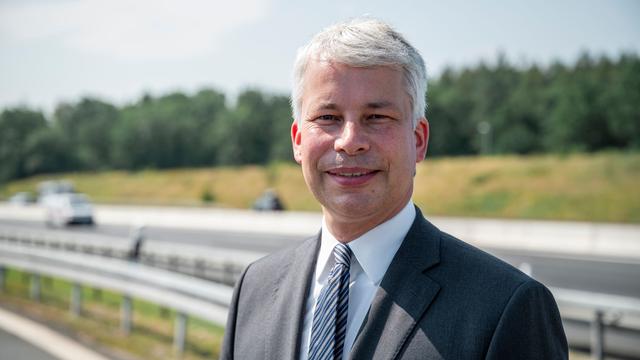
Germany's new Federal Minister of Transport, Steffen Bilger, has declared the swift execution of infrastructure projects his top priority. "We have the highest investment funds ever for infrastructure, and they must be implemented," Bilger stated during the opening of a newly expanded section of the A3 motorway near Erlangen.
We have the highest investment funds ever for infrastructure, and they must be implemented.
Bilger emphasized the government's commitment to revitalizing the nation's infrastructure, noting that a substantial 500 billion euros has been allocated to a special fund. "We are working on the comeback of infrastructure," he said, vowing to focus on the efficient deployment of these funds across road, rail, and waterway networks. The minister also indicated openness to involving private partners in financing and implementing projects, aiming for a balanced approach.
One of Bilger's first official acts was attending the inauguration of a 76-kilometer stretch of the A3 motorway between the Fürth/Erlangen and Biebelried interchanges. This section, expanded to six lanes over six years with an investment of 2.8 billion euros from the federal government, included the installation of noise barriers, construction of bridges, and creation of underpasses.
We are working on the comeback of infrastructure.
The A3, a vital transport artery connecting the Netherlands and Austria, is Germany's largest public-private partnership infrastructure project to date. It operates under a "availability principle," meaning the construction company receives the full payment only if the motorway remains fully accessible and operational, without closures for repairs.
Therefore, we will take care of it, for the road as well as for the rail and the waterway.
DistantNews Editorial
Originally published by Die Zeit in German. Translated, summarized, and contextualized by our editorial team with added local perspective. Read our editorial standards.
More Stories
From Our Blog

What Gets Lost (and Found) When News Is Translated

How the Same Story Looks Different in Different Countries

The Critical Role of Diaspora Media in Global News

What Travellers Should Know About Countries with Restricted Press

A Digital Nomad's Guide to Following Local News
