


Germany Assesses China's Vulnerabilities for Potential Trade War
Translated from German, summarized and contextualized by DistantNews.
At a glance
News
Named sources
Context piece
- The German government is analyzing China's vulnerabilities in trade, supply chains, and technology to prepare for potential economic confrontation.
- German companies like Trumpf and Carl Zeiss are identified as providing critical technologies that China relies on.
- The analysis aims to strengthen Germany's resilience and reduce strategic dependencies, aligning with broader EU efforts to address trade imbalances with China.
The German government is discreetly assessing China's economic vulnerabilities, examining trade flows, supply chains, and corporate data. This analysis, conducted by insiders, seeks to identify areas where China remains dependent on German and European technology, specialized components, and industrial expertise. The objective is to pinpoint potential leverage points in the event of an economic confrontation.
Initial findings suggest that German firms such as Trumpf and Carl Zeiss play a crucial role. They supply key technologies essential for ASML's production of advanced semiconductor manufacturing equipment. Other semiconductor companies like Siltronic, Aixtron, and SUSS MicroTec are also part of the analysis due to their highly specialized technologies vital to the supply chain.
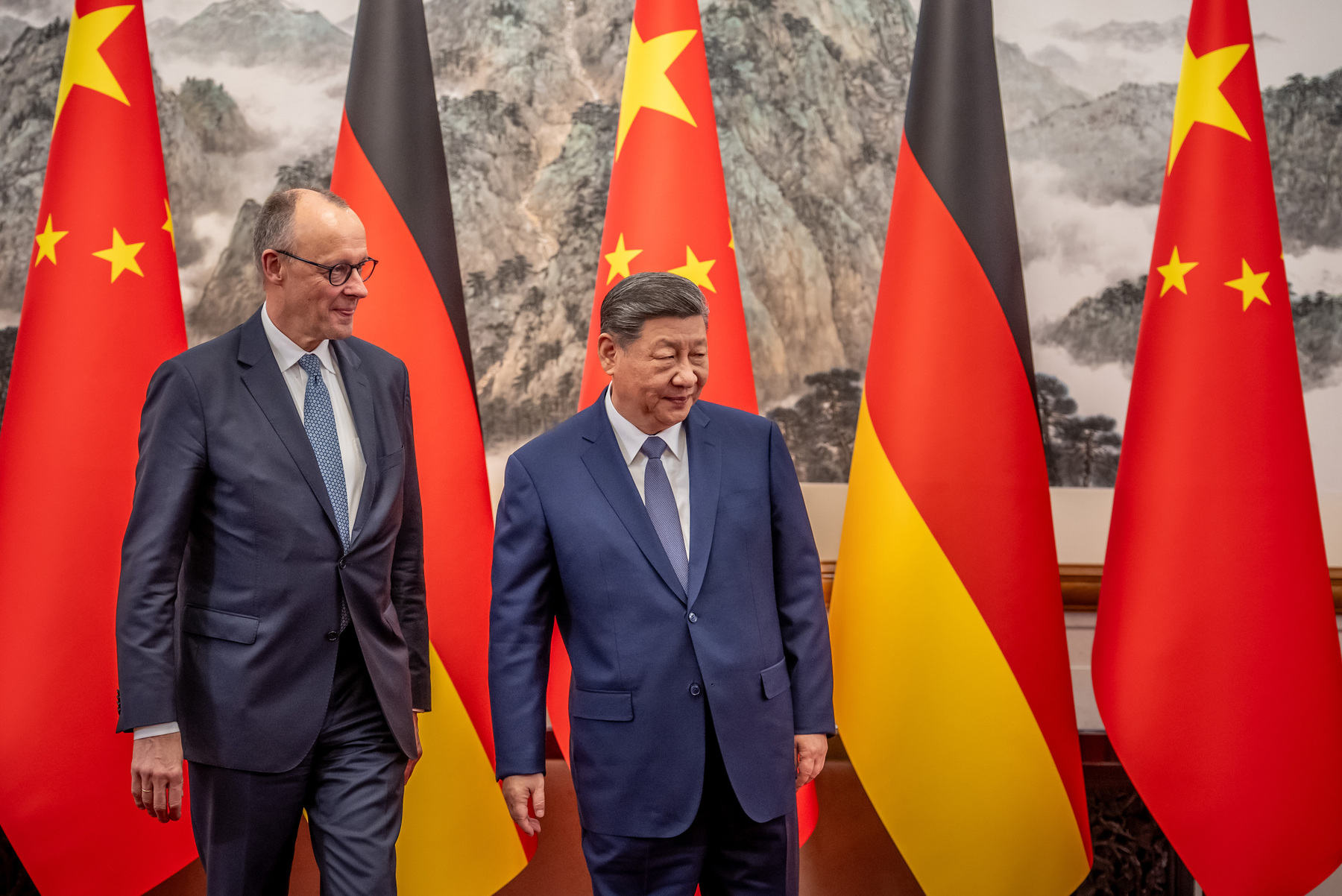
This initiative aligns with Chancellor Friedrich Merz's toughened stance on China, driven by concerns that Germany could be caught between the strategic rivalry of the U.S. and China without strengthening its own resilience. The EU has also tasked the European Commission with proposing new trade defense measures, citing a daily trade deficit with China exceeding one billion euros.
The German government's preparations include contingency measures should China again use critical raw materials as a bargaining chip, similar to the Nexperia case. The identified vulnerabilities primarily concern highly specialized products and services that Chinese firms have not yet been able to replicate. While China has made significant strides in areas like automotive manufacturing, it remains dependent on foreign expertise in technology-intensive niches requiring specialized know-how.
Yes, there are dependencies, but these dependencies are mutual. This also applies to topics such as rare earths. We can only withstand unfair competition if we defend ourselves against it.
DistantNews Editorial
Originally published by Die Presse in German. Translated, summarized, and contextualized by our editorial team with added local perspective. Read our editorial standards.
More Stories


From Our Blog

What Gets Lost (and Found) When News Is Translated

The Critical Role of Diaspora Media in Global News

What Travellers Should Know About Countries with Restricted Press

A Digital Nomad's Guide to Following Local News

How the Same Story Looks Different in Different Countries
