


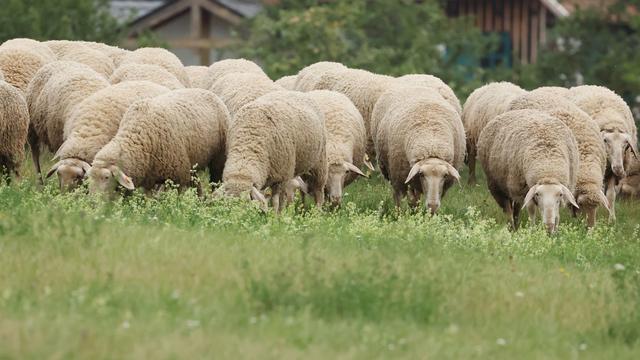
Thuringia's shepherds face crisis as sheep numbers dwindle
Translated from German, summarized and contextualized by DistantNews.
At a glance
News
Sources not specified
Context piece
- Sheep populations are declining in Thuringia, Germany, threatening their role in maintaining dikes and biodiversity.
- A lack of apprentices and low wages are key reasons for the decline, with many shepherds nearing retirement age.
- Initiatives like a potential wool washing facility and increased subsidies are being considered to improve shepherd income and stabilize the industry.
The vital role of sheep in maintaining Thuringia's dikes and natural landscapes is under threat as the region faces a critical shortage of shepherds. The profession is struggling with a lack of apprentices and declining interest, exacerbated by low wages and insufficient income from traditional sources like wool.
This year, three apprentices have completed their training and received their skilled worker certificates. That is far too few for what is now needed in the businesses.
Uwe Erl of the Thuringian Sheep Breeders Association highlighted the severity of the situation, noting that no apprentices have started training this year. With many shepherds over 60, the future of the profession appears precarious. While lamb and sheep sales contribute about 30-35% of income, the rest relies heavily on public funds and subsidies for grassland management. Wool, once a revenue source, has become a financial drain due to shearing costs.
It is not inconceivable that contracts will still be signed in the coming weeks, but the training year has already begun with the first of August.
To address the crisis, proposals include increasing subsidies for land management to boost shepherd income. Additionally, the Thuringian coalition government is exploring the establishment of a large-scale wool washing facility within Germany. Currently, wool must be sent abroad for processing, adding significant costs. The initiative aims to create value chains for Thuringian wool, making it a more profitable venture and helping to secure the long-term viability of sheep farming in the region.
This is rather a loss-making business.
DistantNews Editorial
Originally published by Die Zeit in German. Translated, summarized, and contextualized by our editorial team with added local perspective. Read our editorial standards.
More Stories



From Our Blog

What Gets Lost (and Found) When News Is Translated

How the Same Story Looks Different in Different Countries

The Critical Role of Diaspora Media in Global News

What Travellers Should Know About Countries with Restricted Press

A Digital Nomad's Guide to Following Local News
