


Germany grapples with housing elderly inmates in prisons
Translated from German and summarized by DistantNews. Read the original for the full story.
At a glance
News
Named sources
In the courts
- An 81-year-old man accused of murder is on trial in Germany, highlighting the issue of housing elderly inmates.
- The Wittlich correctional facility has opened a specialized care unit for elderly prisoners with nursing needs.
- Challenges include a shortage of medical staff in prisons and the increased care demands of aging inmates.
The trial of an 81-year-old man accused of murder, who appeared in court using a walker, has brought to the forefront the complex issue of housing elderly prisoners in Germany. The accused, arrested in February 2026 and currently in pre-trial detention in Wittlich, confessed to the crime committed over 30 years ago. His case prompts a closer look at how Germany's correctional facilities manage inmates who require significant care due to age and infirmity.
Of course, older people have more ailments or more illnesses. You have to get a handle on that to some extent.
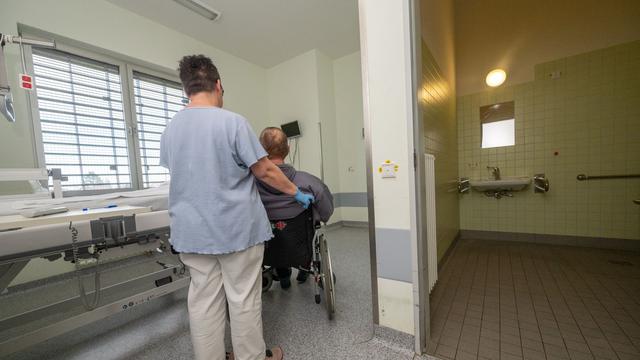
The correctional facility (JVA) in Wittlich, the largest closed correctional institution in the state, has established a dedicated care unit for prisoners with nursing needs. This unit, opened earlier this year, serves inmates from Rhineland-Palatinate and Saarland and is currently at full capacity with five prisoners. According to JVA head Jörn Patzak, there is a waiting list, with new admissions contingent on available space after medical and correctional assessments.
It becomes more critical, especially with prisoners who need care, because there is a lack of medical staff in correctional facilities.
These specialized rooms offer larger spaces, hospital beds, accessible bathrooms, alarm buttons, and communal kitchens, a stark contrast to standard cells which often lack showers and are too small for wheelchair mobility. However, the system faces significant challenges, particularly a shortage of medical personnel within correctional facilities. René Müller, federal chairman of the Union of German Prison Officers (BSBD), noted that while older inmates often have more health issues, prisons struggle to provide adequate medical care.
Some things are no longer treated in the institution due to illness or frailty, but must be treated in external hospitals. This increases the need for personnel for escorts. So, in a way, they are more labor-intensive.
Müller explained that many elderly inmates require treatment in external hospitals, increasing the need for escort personnel and placing a greater workload on existing staff. He added that specialized training for officers to handle the care of infirm inmates is not provided, as the focus remains on fulfilling basic duties. This situation underscores the growing strain on the German prison system as it confronts the demographic shift towards an aging inmate population.
We would be happy if we could do our current tasks properly.
About this summary
Originally published by Die Zeit in German. Translated, summarized, and contextualized automatically by DistantNews, with a note on how the source frames the story. Not individually reviewed before publishing. How this works.
More Stories



From Our Blog

What Gets Lost (and Found) When News Is Translated

How the Same Story Looks Different in Different Countries

The Critical Role of Diaspora Media in Global News

What Travellers Should Know About Countries with Restricted Press

A Digital Nomad's Guide to Following Local News
