


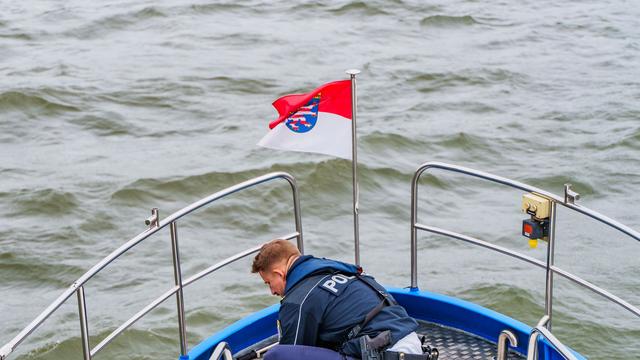
Germany: Low Rhine water levels challenge police
Translated from German, summarized and contextualized by DistantNews.
At a glance
News
From a news agency
Context piece
- Low water levels on the Rhine River are creating significant challenges for the Hessian water police in Germany.
- Risks include altered currents, exposed World War II munitions, and ships running aground on shallows.
- The water police are also responding to an increase in drowning incidents and advising the public to adhere to safety regulations.
Germany's Hessian water police are facing heightened challenges due to the current low water levels on the Rhine River, according to Interior Minister Roman Poseck. He emphasized the interconnectedness of safety, environmental protection, and the economy along the nation's rivers.
Poseck highlighted the "real dangers" posed by receding water levels. These include shifting currents, the potential exposure of unexploded World War II munitions previously submerged in the riverbed, and vessels encountering shallow areas. The water police, which celebrated its 75th anniversary in 2025 and comprises approximately 130 officers responsible for over 525 kilometers of navigable rivers and lakes in Hesse, is actively addressing these issues.
While probabilistic forecasts predict a slight increase in water levels in the coming days, a subsequent decrease is anticipated. The Rhine has seen a concerning number of drowning deaths, with 19 fatalities in 2025 and several already this year. The water police urge the public to respect swimming bans, heed warnings regarding boat traffic, abstain from alcohol and drugs before swimming, ensure children are supervised, and refrain from jumping into the water from bridges or jetties.
Low water levels can dangerously alter shipping channels, bringing them closer to the receding banks. This phenomenon also frequently reveals submerged World War II ordnance, as rivers were often used for disposal. Explosive ordnance disposal teams warn that decades of weathering can make these items highly unpredictable, and the public is advised to contact emergency services immediately if any are found. The water police also respond to incidents where ships become stranded on shallows, a recurring problem in the freely flowing Rhine section of Hesse, unlike the Main River, which is regulated by locks. Two cargo ships, one 105 meters long and another 85 meters long, recently became stuck on shallows near Assmannshausen and Lorch, respectively, requiring assistance.
Falling water levels pose real dangers, from altered currents and exposed World War II munitions to ships running aground on shallows.
DistantNews Editorial
Originally published by Die Zeit in German. Translated, summarized, and contextualized by our editorial team with added local perspective. Read our editorial standards.
More Stories



From Our Blog

What Gets Lost (and Found) When News Is Translated

How the Same Story Looks Different in Different Countries

The Critical Role of Diaspora Media in Global News

What Travellers Should Know About Countries with Restricted Press

A Digital Nomad's Guide to Following Local News
