

Germany moves to strengthen military, potentially obligating reservists to train
Translated from German, summarized and contextualized by DistantNews.
At a glance
News
Named sources
New plan
- The German government is advancing reforms to streamline the Bundeswehr, the country's armed forces.
- Key changes include making reservists potentially subject to mandatory training and simplifying construction processes for military facilities.
- These measures aim to increase the number of active soldiers and ready reservists by 2035 and 2033, respectively, to meet NATO requirements.
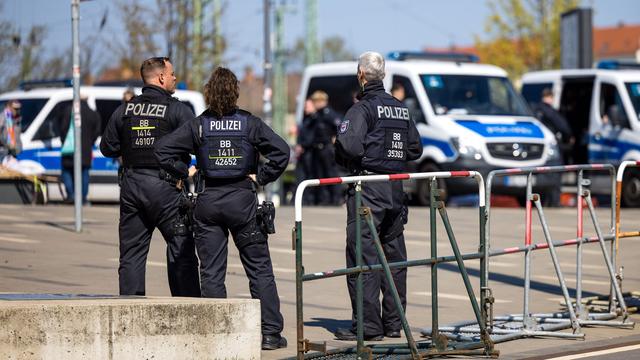
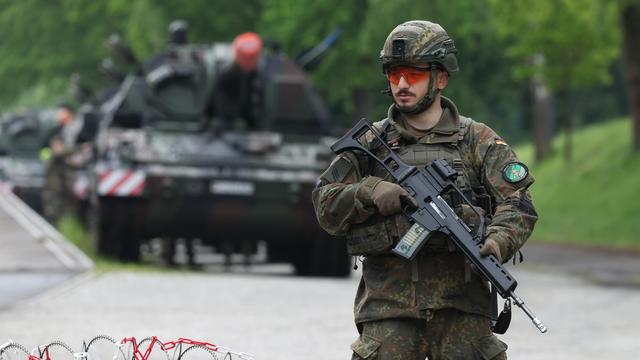
Germany's federal government has approved two draft laws aimed at strengthening the Bundeswehr, the nation's armed forces, ahead of the upcoming NATO summit. These reforms seek to reduce bureaucracy and enhance the military's readiness for potential crises and conflicts.
A significant proposed change involves making reservists potentially obligated to participate in training exercises again. Currently, reservists and their employers must consent to such call-ups. The new legislation would shift this, requiring reservists and employers to primarily apply for deferrals in specific hardship or special cases. Defense Minister Boris Pistorius (SPD) intends for this reform to help Germany meet NATO's target of having 460,000 Bundeswehr soldiers available by 2035 in a crisis or war scenario.
It serves on equal footing with the active troops
To achieve this, the number of active soldiers is planned to increase from the current approximately 185,600 to at least 260,000. Concurrently, the goal is to have around 200,000 combat-ready reservists available by 2033, a substantial rise from the current 60,000. Pistorius stated the objective is a reserve force that "serves on equal footing with the active troops." This includes further training for reservists to operate new weapon systems.
The second draft law focuses on accelerating construction projects for the Bundeswehr, such as barracks, ammunition depots, and weapons system facilities. This will be facilitated by introducing exceptions to property and environmental laws. Both legislative proposals now require approval from the Bundestag. Chancellor Friedrich Merz (CDU) emphasized that these decisions demonstrate Germany is "picking up the pace in terms of security policy" amidst a challenging global situation. The cabinet also adopted a paper to update security and supply laws by 2027, aiming for "better preparation for crises and wars."
Germany is picking up the pace in terms of security policy
DistantNews Editorial
Originally published by Die Zeit in German. Translated, summarized, and contextualized by our editorial team with added local perspective. Read our editorial standards.
More Stories

From Our Blog

What Gets Lost (and Found) When News Is Translated

How the Same Story Looks Different in Different Countries

The Critical Role of Diaspora Media in Global News

What Travellers Should Know About Countries with Restricted Press

A Digital Nomad's Guide to Following Local News
