


Germany Questions Judicial Handling of Attack Suspect
Translated from German, summarized and contextualized by DistantNews.
At a glance
News
From a news agency
Under investigation
- German authorities are investigating why a suspect in a presumed Islamist-motivated attack was free and allegedly had contacts despite being under surveillance.
- The suspect, a German citizen of Lebanese origin, was arrested in November 2025 upon returning from Syria, where he attempted to join the Islamic State.
- A youth court sentenced him to 22 months suspended juvenile detention in May, with a decision on probation pending, raising questions about judicial application of the law.
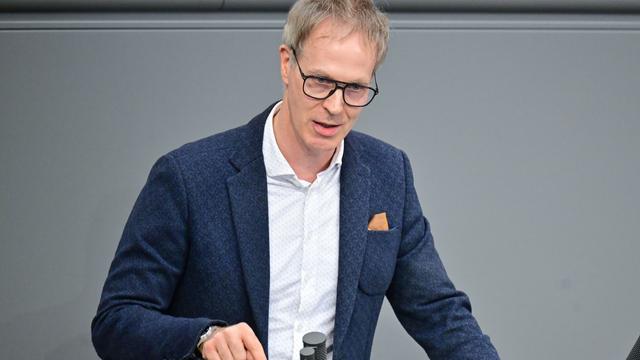
German authorities are scrutinizing the judicial system's role after a suspect in a presumed Islamist-motivated attack on the sidelines of Berlin's Christopher Street Day (CSD) was allegedly free and maintained contacts despite surveillance. Sebastian Fiedler, an interior policy expert for the Social Democratic Party (SPD) in the Bundestag, questioned why the suspect was not detained.
The criminal law was not the problem here, but rather possibly its application.
"The criminal law was not the problem here, but rather possibly its application," Fiedler told Deutschlandfunk. "We must also take a closer look at why he was free again. Why the public prosecutor's office said they held a different opinion than the court."
We must also take a closer look at why he was free again. Why the public prosecutor's office said they held a different opinion than the court.
The suspect, a German national with Lebanese roots, was arrested in November 2025 at Berlin's BER airport upon his return from Syria, where he had attempted to join the Islamic State (IS). After a period of pre-trial detention, a youth court at the Tiergarten District Court sentenced him on May 12 to 22 months of suspended juvenile detention for, among other things, preparing a serious act of violence that endangered the state. The decision on whether to suspend the sentence was postponed for six months.
We need to look at: Why did a probationary or pre-probationary decision come about here?
Fiedler cautioned against simply demanding higher sentences because a crime occurred. "We need to look at: Why did a probationary or pre-probationary decision come about here?" he asked. "A big question is also: What actually happened after his release from custody? Who did he still have contact with? Although he was under surveillance, there was apparently a gap here, and that is precisely what we must address very precisely, and we will do that, you can be sure of that."
Although he was under surveillance, there was apparently a gap here, and that is precisely what we must address very precisely, and we will do that, you can be sure of that.
DistantNews Editorial
Originally published by Die Zeit in German. Translated, summarized, and contextualized by our editorial team with added local perspective. Read our editorial standards.
More Stories

From Our Blog

What Gets Lost (and Found) When News Is Translated

How the Same Story Looks Different in Different Countries

The Critical Role of Diaspora Media in Global News

What Travellers Should Know About Countries with Restricted Press

A Digital Nomad's Guide to Following Local News
