


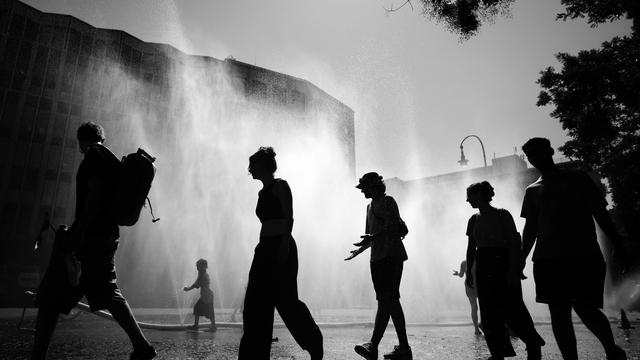
Germany records 14,000 heat-related deaths this summer
Translated from German, summarized and contextualized by DistantNews.
At a glance
News
Sources not specified
New plan
- The Robert Koch Institute (RKI) estimates at least 14,000 heat-related deaths in Germany this summer, a significant increase from previous years.
- A particularly hot week in June, with temperatures exceeding 40 degrees Celsius, accounted for approximately two-thirds of these fatalities.
- The update also includes news on Moderna's promising results for a black skin cancer vaccine and a political statement from a German politician.
Germany has recorded an alarming number of heat-related deaths this summer, with the Robert Koch Institute (RKI) estimating at least 14,000 fatalities between April and early August. This figure surpasses all previous records and highlights the severe impact of rising temperatures on public health.
The RKI's latest weekly report indicates that a particularly intense heatwave in June, during which temperatures soared above 40 degrees Celsius, was responsible for roughly two-thirds of the recorded deaths. This surge in fatalities underscores the vulnerability of the population to extreme weather events.
Beyond the grim statistics on heat-related deaths, the RKI update touches upon other significant developments. Moderna, a US-based vaccine manufacturer, has reported positive results from a clinical trial for a personalized vaccine aimed at preventing the recurrence of black skin cancer after treatment. This development offers a glimmer of hope in the fight against one of the deadliest forms of skin cancer.
Additionally, the report briefly mentions a political statement from Katja Wolf, chairwoman of the BSW in Thuringia, who expressed opposition to party co-founder Sahra Wagenknecht's stance on the AfD. Wolf criticized Wagenknecht's decision not to obstruct the AfD candidate's election as state premier in Saxony-Anhalt, deeming it a "crossed line" and highlighting the perceived dangers of the AfD.
DistantNews Editorial
Originally published by Die Zeit in German. Translated, summarized, and contextualized by our editorial team with added local perspective. Read our editorial standards.
More Stories



From Our Blog

What Gets Lost (and Found) When News Is Translated

How the Same Story Looks Different in Different Countries

The Critical Role of Diaspora Media in Global News

What Travellers Should Know About Countries with Restricted Press

A Digital Nomad's Guide to Following Local News
