


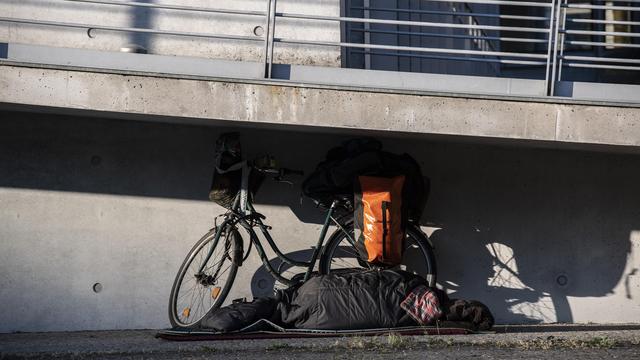
Germany reports 5% decrease in homeless individuals in shelters
Translated from German, summarized and contextualized by DistantNews.
At a glance
News
Documents & data
Context piece
- In late January 2026, Germany housed approximately 452,900 homeless individuals in collective accommodations, a 5% decrease from the previous year.
- Ukrainian refugees constituted the largest group, making up 28% of those housed, though their proportion decreased by 6 percentage points from the prior year.
- The average age of individuals in shelters was 31, with 41% under 25, and men formed the majority at 57%.
Germany's collective accommodations housed around 452,900 homeless individuals at the end of January 2026, marking a 5% reduction compared to the previous year, according to the Federal Statistical Office. This figure, however, excludes those living on the streets or with friends and family.
Refugees from Ukraine represented the largest non-German demographic, accounting for 28% of those housed, totaling 128,900 people. Despite this significant number, their share decreased by six percentage points from the year before. In contrast, the number of housed individuals with German citizenship rose by two percentage points to 67,200.
The data also revealed that individuals in these facilities were relatively young, with an average age of 31. A substantial 41% were under the age of 25, and men comprised the majority at 57%. The residents were roughly divided between single individuals and families with children.
Geographically, North Rhine-Westphalia reported the highest number of people in care facilities, with 104,700 individuals. Baden-Württemberg followed with 90,800, and Berlin with 57,600.
DistantNews Editorial
Originally published by Die Zeit in German. Translated, summarized, and contextualized by our editorial team with added local perspective. Read our editorial standards.
More Stories


From Our Blog

What Gets Lost (and Found) When News Is Translated

How the Same Story Looks Different in Different Countries

The Critical Role of Diaspora Media in Global News

What Travellers Should Know About Countries with Restricted Press

A Digital Nomad's Guide to Following Local News
