


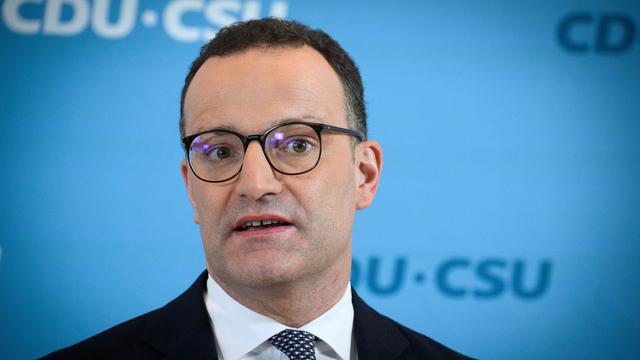
Germany's CDU to Maintain Ban on Surrogacy Amid Public Debate
Translated from German, summarized and contextualized by DistantNews.
At a glance
News
Sources not specified
Ongoing story
- The CDU party in Germany intends to maintain the country's ban on surrogacy.
- This stance comes amid public debate following the announcement that Jens Spahn, a leading CDU figure, and his husband had a child via a surrogate in the US.
- Spahn's office confirmed the child was born via surrogacy abroad, a practice illegal in Germany.
Germany's Christian Democratic Union (CDU) party plans to uphold the country's existing ban on surrogacy. The party's decision comes as the issue gains renewed public attention following the revelation that Jens Spahn, the parliamentary group leader of the CDU/CSU, and his husband, Daniel Funke, have become parents to a child born via a surrogate mother in the United States.
Spahn's office confirmed the report, stating that the child was born abroad through surrogacy. This practice is illegal under German law, which prohibits both the commissioning and the facilitation of surrogacy arrangements within the country. The CDU maintains a party resolution supporting the current legal framework, with a spokesperson for the party telling dpa that "the current legal situation in Germany should remain as it is from the party's perspective."
The public debate surrounding surrogacy has intensified due to Spahn's personal situation. While the CDU is firm in its stance, the case highlights the complexities and differing views on the matter within Germany. The party's decision to stick to the ban underscores its commitment to its established principles regarding family and reproductive rights, even as societal norms and personal circumstances evolve.
This article is being updated with further details as they become available.
DistantNews Editorial
Originally published by Die Zeit in German. Translated, summarized, and contextualized by our editorial team with added local perspective. Read our editorial standards.
More Stories

From Our Blog

What Gets Lost (and Found) When News Is Translated

How the Same Story Looks Different in Different Countries

The Critical Role of Diaspora Media in Global News

What Travellers Should Know About Countries with Restricted Press

A Digital Nomad's Guide to Following Local News
