


Most students in northern Germany live away from home, study finds
Translated from German, summarized and contextualized by DistantNews.
At a glance
Analysis
Documents & data
Context piece
- A study surveyed over 87,000 students nationwide regarding their living situations and mobility during winter semesters.
- In Schleswig-Holstein, only 16% of students live at home, with 41.2% in private rentals and 30.5% in shared housing (WG).
- The study found that 75.2% of students in northern Germany live near their university, the highest rate nationally, with cycling being the most common commute method.
A comprehensive study by the Centrum für Hochschulentwicklung (CHE) in Gütersloh has shed light on the living and commuting habits of students across Germany, with specific data for Schleswig-Holstein. Surveying over 87,000 students across three winter semesters, the research provides a detailed picture of student life.
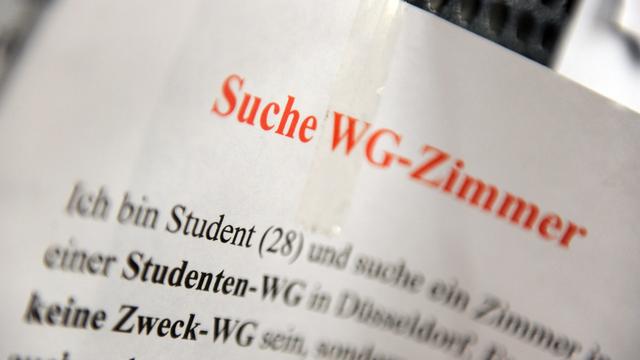
In Schleswig-Holstein, the traditional "Hotel Mama" appears to be less common among students compared to other regions. Only 16.0% of students reported living with their parents. A significant majority opt for independent living arrangements: 41.2% reside in private rental apartments, and 30.5% share apartments in shared housing (Wohngemeinschaften or WGs). Another 9.3% live in student dormitories.
The study also highlighted student mobility patterns. Notably, 75.2% of students in Schleswig-Holstein live in close proximity to their university town during the semester, the highest percentage recorded nationwide. This suggests a strong local presence among students in the region. Only a small fraction, 6.6%, commute from distances exceeding 50 kilometers.
Regarding daily commutes, cycling emerges as the preferred mode of transport, with 57.4% of students regularly cycling to their university. Public transportation is also widely used, utilized by 47.0% of students. Walking accounts for 22.7% of commutes, while 19.7% use cars or motorcycles. These figures indicate a trend towards sustainable and accessible transportation methods among students in northern Germany.
DistantNews Editorial
Originally published by Die Zeit in German. Translated, summarized, and contextualized by our editorial team with added local perspective. Read our editorial standards.
More Stories


From Our Blog

What Gets Lost (and Found) When News Is Translated

How the Same Story Looks Different in Different Countries

The Critical Role of Diaspora Media in Global News

What Travellers Should Know About Countries with Restricted Press

A Digital Nomad's Guide to Following Local News
