

Germany's games industry awaits promised tax breaks amid tight budgets
Translated from German, summarized and contextualized by DistantNews.
At a glance
News
From a news agency
Context piece
- Germany's video games industry is still waiting for tax relief promised in the coalition agreement.
- Finance Minister Lars Klingbeil stated that discussions are ongoing but difficult due to the country's tight budget.
- Industry representatives are urging progress, pointing to similar tax incentives already in place in other countries.
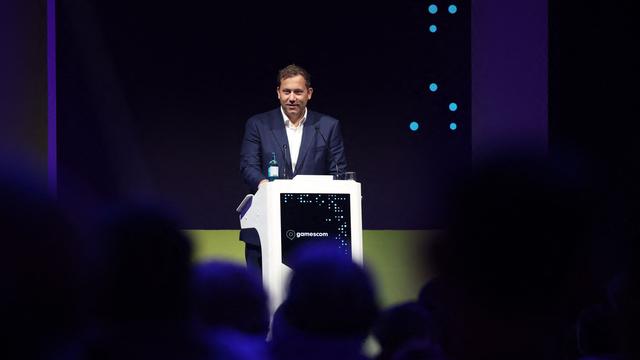
The German video games industry is growing impatient as promised tax incentives, outlined in the coalition agreement, continue to be delayed. During a visit to Gamescom, the world's largest computer and video games trade fair, Federal Finance Minister Lars Klingbeil acknowledged that discussions within the government are underway but complicated by the current stringent fiscal situation.
I would like to, but we live in times of tight state budgets.
Klingbeil expressed his fundamental support for the measures, recognizing the commitment made in the coalition agreement to foster the German games sector through tax incentives. However, he refrained from setting a definitive timeline for implementation, emphasizing the need for cooperation with the federal states. The coalition parties, CDU/CSU and SPD, had pledged in their 2025 agreement to support Germany as a location for game development via tax incentives, a promise that has yet to materialize.
Felix Falk, managing director of the industry association Game, urged for progress on the issue at the Gamescom event. He highlighted that countries like France, Ireland, Australia, Canada, and the United Kingdom already offer such tax support. Falk stressed that Germany needs to "level up" and embrace modern concepts that have proven successful internationally for years.
We want to achieve something, also together with the states.
These tax incentives would allow game companies to deduct costs, thereby reducing their tax burden. While this would mean lower tax revenues for the state in the short term, the long-term hope is for increased tax income as the industry expands and creates more jobs. Approval from the federal states is necessary for these tax breaks to take effect, potentially through "Tax Credits." North Rhine-Westphalia's Minister-President Hendrik Wüst has signaled his state's willingness to agree, echoing his stance from the previous year.
Germany should now 'come to the next level'.
Gaming is a multi-billion euro industry that continues to gain importance in the digital age, with advancing visual capabilities and increasing player engagement across consoles, smartphones, and PCs. Despite this growth, Germany holds a relatively minor share, with only about five percent of global game spending going to German-made games. To address this, the government has increased its funding budget for the games industry, from approximately 88 million euros in 2025 to 125 million euros this year, though only about 40 million euros have been allocated or applied for so far.
We will participate if you want to implement your coalition agreement, we will make it possible - I am sure we will find a fair solution.
DistantNews Editorial
Originally published by Die Zeit in German. Translated, summarized, and contextualized by our editorial team with added local perspective. Read our editorial standards.
More Stories

From Our Blog

What Gets Lost (and Found) When News Is Translated

How the Same Story Looks Different in Different Countries

The Critical Role of Diaspora Media in Global News

What Travellers Should Know About Countries with Restricted Press

A Digital Nomad's Guide to Following Local News
