

VW CEO praises Zwickau workers but warns of ongoing cost challenges
Translated from German, summarized and contextualized by DistantNews.
At a glance
News
From a news agency
Context piece
- Volkswagen CEO Oliver Blume praised Zwickau workers for cost reductions and process improvements.
- Blume noted that Zwickau's labor and factory costs remain high compared to other European sites.
- He stated no decisions have been made on potential plant closures, but Volkswagen is seeking industrial perspectives and investors for future site viability.
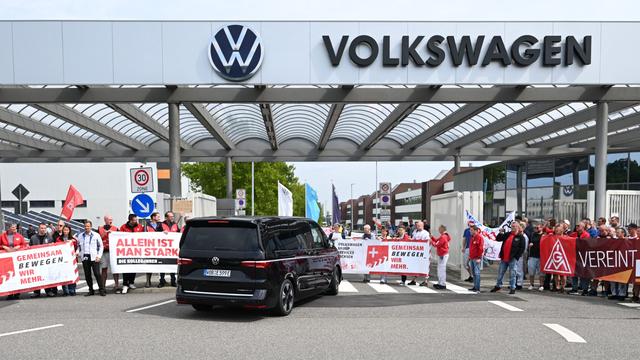
Volkswagen CEO Oliver Blume acknowledged the efforts of workers at the Zwickau plant, commending their success in reducing costs, improving processes, and advancing personnel restructuring as planned. "You have shown that change is possible," Blume stated at a works meeting, urging others in the group to "look to Saxony to see how well it went there."
You have shown that change is possible.
Despite these achievements, Blume emphasized that the company has not yet reached its goals. He highlighted the need to secure the group's long-term competitiveness, pointing out that labor costs at Zwickau are more than double those of comparable European locations, and factory costs are also higher than at other plants. "This is not an accusation, it is the reality by which we must measure ourselves," he said.
The labor costs are today more than double those of comparable European locations. And also in terms of factory costs, other plants are still significantly cheaper.
Blume confirmed that no decisions have been made regarding potential plant closures for the Emden, Hannover, Zwickau, and Neckarsulm sites, as there is currently no "competitively viable utilization for the 2030s." He assured that Volkswagen would remain responsible even if these plants lack future assignments. "We are fighting for industrial perspectives and for employment for our locations. With partners. With investors. With new industrial solutions," Blume stated.
This is not an accusation, it is the reality by which we must measure ourselves.
DistantNews Editorial
Originally published by Die Zeit in German. Translated, summarized, and contextualized by our editorial team with added local perspective. Read our editorial standards.
More Stories
From Our Blog

What Gets Lost (and Found) When News Is Translated

How the Same Story Looks Different in Different Countries

The Critical Role of Diaspora Media in Global News

What Travellers Should Know About Countries with Restricted Press

A Digital Nomad's Guide to Following Local News
