



Germany's Greens Push for Regional Electricity Prices
Translated from German, summarized and contextualized by DistantNews.
At a glance
News
From a news agency
New plan
- The Green Party proposes regional electricity prices where power is generated.
- Currently, Germany has a uniform stock market price for electricity, causing issues with transporting renewable energy from the north and east to industrial centers in the west and south.
- Regional pricing aims to relieve grid pressure, enhance system stability, and support industrial and new production centers.
Germany's Green Party is advocating for a shift to regional electricity pricing, a move they believe will make renewable energy more efficient and affordable. The proposal, adopted at a party congress, suggests that electricity costs should reflect where it is generated, particularly benefiting areas rich in wind and solar power.
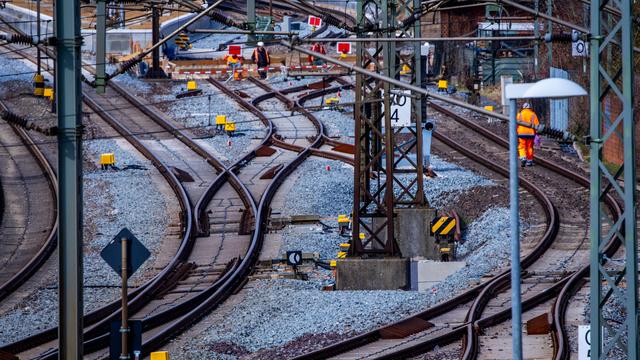
Under the current system, a uniform stock market price applies across Germany. This creates logistical challenges as renewable energy, predominantly produced in the northern and eastern regions, needs to be transported to major industrial hubs located in the south and west. Insufficient grid capacity can lead to renewable energy sources being shut down to prevent grid overload.
The Greens argue that implementing regional price signals would alleviate pressure on the national grids. They contend this would not only make the energy system more secure and stable but also preserve existing industrial centers and facilitate the establishment of new production facilities. This approach, they suggest, would keep the market fluid and encourage more direct participation in energy generation and consumption.
Regional price signals make wind and solar power cheap where the plants are located - more efficient, cheaper, with direct participation.
DistantNews Editorial
Originally published by Die Zeit in German. Translated, summarized, and contextualized by our editorial team with added local perspective. Read our editorial standards.
More Stories

From Our Blog

What Gets Lost (and Found) When News Is Translated

How the Same Story Looks Different in Different Countries

The Critical Role of Diaspora Media in Global News

What Travellers Should Know About Countries with Restricted Press

A Digital Nomad's Guide to Following Local News
