


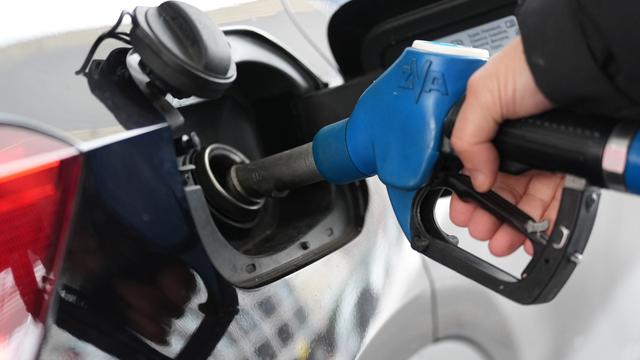
Germany's Inflation Rises to 2.8% in July as Fuel Rebate Ends
Translated from German, summarized and contextualized by DistantNews.
At a glance
News
From a news agency
New plan
- Germany's inflation rate rose to 2.8% in July, driven by soaring energy prices after the fuel tax rebate ended.
- Energy prices increased by 8.3% year-on-year in July, significantly higher than the 3.4% rise in June.
- Analysts warn that further price increases are possible due to ongoing geopolitical conflicts and potential impacts on oil supply.
Germany's inflation rate surged to 2.8% in July, a marked increase from the previous month's 2.3%. This uptick is primarily attributed to the expiration of the government's fuel tax rebate program, which led to a significant rise in energy prices.
Energy costs, a key driver of inflation, climbed 8.3% in July compared to the same period last year. This represents a substantial acceleration from June's 3.4% increase. The Statistical Federal Office confirmed these figures, highlighting that energy prices continue to be the main factor pushing up the cost of living.
Looking ahead, economists caution that inflation could continue to climb. The unresolved conflict between the United States and Iran, and the resulting uncertainty surrounding the Strait of Hormuz, a critical chokepoint for global oil and gas trade, could further destabilize energy markets. Germany, heavily reliant on imported raw materials, is particularly vulnerable to such disruptions.
While fuel prices have returned to levels above two euros per liter in many places, other factors could exacerbate cost pressures. Low water levels on crucial transport routes like the Rhine River are increasing logistics costs for fuel and other goods. Additionally, extreme weather conditions like heatwaves and droughts may impact agricultural yields, potentially leading to higher food prices, despite recent moderate increases in grocery costs.
Energy prices continued to rise disproportionately and thus remained the central price driver.
DistantNews Editorial
Originally published by Die Zeit in German. Translated, summarized, and contextualized by our editorial team with added local perspective. Read our editorial standards.
More Stories

From Our Blog

What Gets Lost (and Found) When News Is Translated

How the Same Story Looks Different in Different Countries

The Critical Role of Diaspora Media in Global News

What Travellers Should Know About Countries with Restricted Press

A Digital Nomad's Guide to Following Local News
