

Germany's Russian Nuclear Power Stance Echoes Nord Stream 2 Mistake, EU Framework Lacks Security Tools
Translated from Ukrainian, summarized and contextualized by DistantNews.
At a glance
Analysis
Sources not specified
Context piece
- Germany's current EU legal framework is inadequate for addressing modern security challenges, exemplified by the Nord Stream 2 issue.
- The situation with Russian nuclear power highlights potential security risks and the need for updated regulations.
- The EU's existing legal structures are struggling to keep pace with evolving security threats.
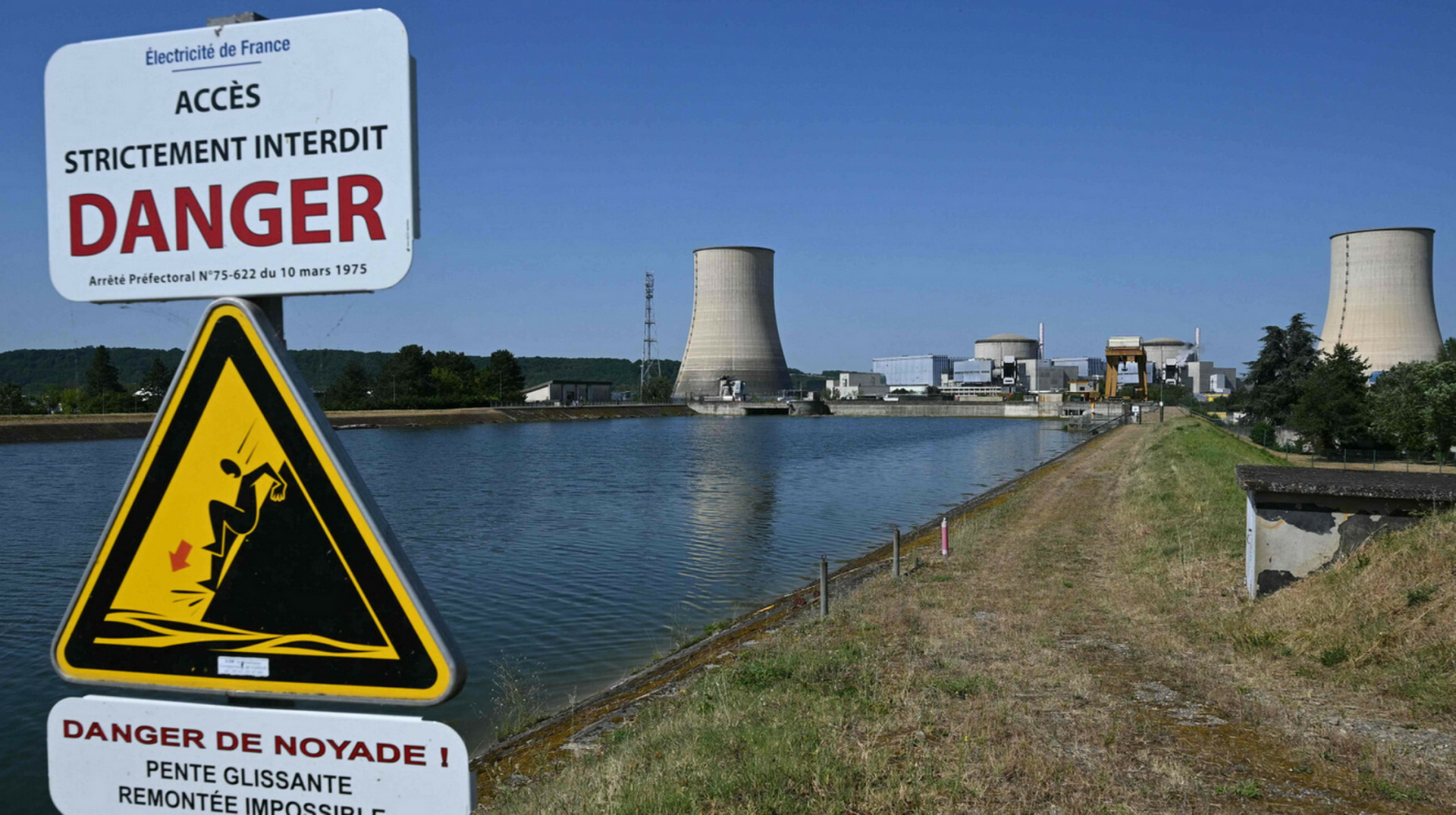
Germany's approach to Russian nuclear power is drawing parallels to the controversial Nord Stream 2 gas pipeline, suggesting a potential repetition of past security oversights. The current European Union legal framework is proving insufficient to tackle contemporary security challenges, particularly those involving energy and geopolitical risks.
The situation highlights a critical vulnerability: the EU's existing regulations are not equipped to effectively address the complex security implications of energy imports from potentially adversarial nations. This inadequacy raises concerns about the bloc's ability to safeguard its interests and maintain energy security amidst evolving geopolitical tensions.
Experts suggest that the EU needs to urgently revise its legal architecture to better anticipate and mitigate security threats. The Nord Stream 2 experience serves as a stark reminder of the consequences of prioritizing economic or political expediency over robust security considerations. The ongoing debate around Russian nuclear power underscores the need for a more proactive and comprehensive approach to energy security within the EU.
DistantNews Editorial
Originally published by Ukrainska Pravda in Ukrainian. Translated, summarized, and contextualized by our editorial team with added local perspective. Read our editorial standards.
More Stories

From Our Blog

What Gets Lost (and Found) When News Is Translated

The Critical Role of Diaspora Media in Global News

What Travellers Should Know About Countries with Restricted Press

A Digital Nomad's Guide to Following Local News

How the Same Story Looks Different in Different Countries
