

Germany seeks UN Security Council seat amid paralysis concerns; AI firm Anthropic eyes IPO
Translated from German, summarized and contextualized by DistantNews.
At a glance
News
Sources not specified
New plan
- Germany is seeking a non-permanent seat on the UN Security Council, with a vote scheduled in the UN General Assembly.
- The Security Council, the UN's most powerful body, is often paralyzed by veto powers of its five permanent members.
- Separately, AI company Anthropic has taken initial steps toward an IPO, recently valued higher than OpenAI.
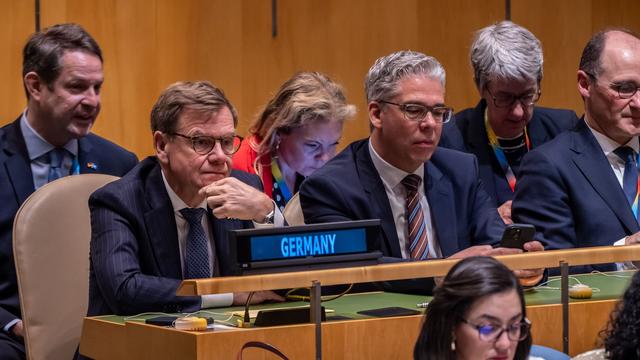
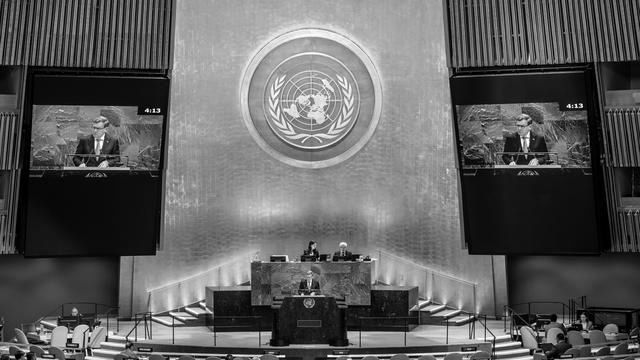
Germany is once again vying for a non-permanent seat on the United Nations Security Council, with member states set to vote on Wednesday in the UN General Assembly.
The Security Council, widely considered the world's most powerful international body, has frequently seen its effectiveness hampered by the veto power held by its five permanent members: the United States, Russia, China, the United Kingdom, and France. Germany has previously held a non-permanent seat on the council six times.
Federal Foreign Minister Johann Wadephul has been actively campaigning for Germany's candidacy in New York since Friday. Rieke Havertz, international correspondent for DIE ZEIT, who traveled with Wadephul, offers insights into Germany's motivation for seeking a role in a body often characterized by deadlock.
In parallel developments, the artificial intelligence company Anthropic, known for its chatbot Claude, has initiated formal procedures for a potential stock market debut. Anthropic has submitted a confidential filing to the U.S. Securities and Exchange Commission (SEC) for a planned initial public offering (IPO). The company recently achieved a valuation of $965 billion, surpassing that of its competitor OpenAI, the creator of ChatGPT. The podcast episode also touches upon other topics, including whether mosquitoes learn faster than humans.
DistantNews Editorial
Originally published by Die Zeit in German. Translated, summarized, and contextualized by our editorial team with added local perspective. Read our editorial standards.
More Stories

From Our Blog

What Gets Lost (and Found) When News Is Translated

How the Same Story Looks Different in Different Countries

The Critical Role of Diaspora Media in Global News

What Travellers Should Know About Countries with Restricted Press

A Digital Nomad's Guide to Following Local News
