

Germany: Spirits tax to rise by 20 percent
Translated from German, summarized and contextualized by DistantNews.
At a glance
News
Documents & data
New plan
- Germany plans to increase taxes on spirits, champagne, sparkling wine, and alcopops by 20% starting January 1, 2027.
- The government expects these tax hikes to generate 455 million euros annually for the federal budget.
- The increases are part of a broader strategy to close budget gaps and promote public health, with a minister stating, "What makes you sick will become more expensive."
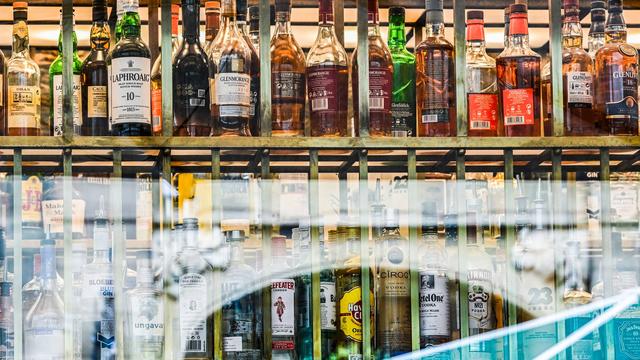
Germany is set to significantly increase taxes on various alcoholic beverages, including spirits like rum, vodka, andkorn, as well as champagne, sparkling wine, and alcopops. The planned tax hikes, which will take effect on January 1, 2027, aim to raise spirits prices by 20 percent.
The German government's Finance Ministry has drafted legislation to implement these changes, anticipating that the increased taxation will generate an additional 455 million euros annually for the federal budget. These measures are part of a broader effort to address budget deficits, as previously indicated by the cabinet in April when discussing fiscal measures.
Minister Lars Klingbeil (SPD) linked the alcohol tax increases to the planned introduction of a sugar tax on beverages like sodas and colas, emphasizing a public health objective. "Everything that makes you sick will become more expensive," Klingbeil stated, highlighting the government's intention to discourage consumption of unhealthy products. While details on the sugar tax's specifics and start date remain pending, the alcohol tax adjustments are moving forward.
These proposed increases align with recommendations from a commission established by the Health Ministry to stabilize the finances of statutory health insurance funds. The commission had suggested three annual tax hikes from 2027 to 2029, projecting a potential reduction in alcohol consumption and associated health issues, such as approximately 1,000 fewer cancer cases annually. The commission also noted potential cost savings in areas like accident prevention, particularly among younger, price-sensitive consumers who engage in binge drinking.
DistantNews Editorial
Originally published by Die Zeit in German. Translated, summarized, and contextualized by our editorial team with added local perspective. Read our editorial standards.
More Stories



From Our Blog

What Gets Lost (and Found) When News Is Translated

How the Same Story Looks Different in Different Countries

The Critical Role of Diaspora Media in Global News

What Travellers Should Know About Countries with Restricted Press

A Digital Nomad's Guide to Following Local News
