

Germany: 'Super apples' developed at Lake Constance aim to combat climate change
Translated from German, summarized and contextualized by DistantNews.
At a glance
News
Sources not specified
Context piece
- Researchers near Germany's Lake Constance are developing a new generation of robust apple varieties designed to withstand climate change impacts.
- These "super apples" require less pesticide and are more resistant to drought and diseases like apple scab.
- The initiative aims to ensure the long-term economic viability of fruit farming in the region amidst changing environmental conditions.
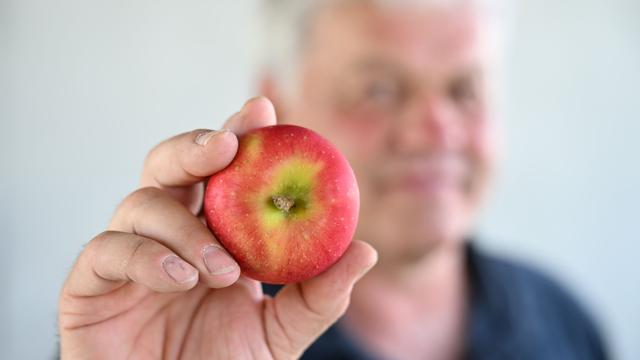
A new era of apple cultivation is emerging near Germany's Lake Constance, with scientists and farmers collaborating to develop resilient apple varieties capable of thriving in a changing climate. These robust, or resistant, varieties are engineered to better tolerate drought and disease, significantly reducing the need for chemical plant protection compared to traditional types.
This development is crucial for fruit growers, particularly in combating fungal diseases like apple scab, which can devastate crops and necessitate frequent treatments. The introduction of these new varieties promises to lower cultivation costs, lessen environmental impact, and support biodiversity. Farmers and experts in the Lake Constance region, a key apple-growing area in Germany, are rigorously testing these new trees to assess their performance against local climate conditions, pests, and diseases, while also gauging consumer acceptance.
We need varieties that can thrive with less plant protection and still deliver yield and quality.
Thomas Heilig, a fruit farmer and initiator of the project, highlighted the urgent need for varieties that offer both yield and quality with reduced pesticide use. "We need varieties that can thrive with less plant protection and still deliver yield and quality," he stated. He expressed concern about the current economic viability of farming under existing conditions, questioning the future for his son's potential involvement in the business. This concern spurred him and other farmers to partner with scientists in 2020.
The "Mammut" variety, one of the new "super apples," has been under evaluation for a decade and is now ready for practical application, with around 80,000 trees planted. It is set to be marketed under the "Fairdi" brand, with the first significant harvest expected in the fall. Experts like Ulrich Mayr, head of the department at the Competence Center for Fruit Growing Lake Constance (KOB), emphasize that future fruit farming must embrace new varieties. He noted the increasing stress on trees from prolonged droughts, heavy rainfall, and heat, all indicative of climate change. The push for robust varieties is also influenced by Baden-Württemberg's Biodiversity Strengthening Act, which mandates a significant reduction in synthetic pesticide use by 2030.
The fruit farmer of the future must rely on new varieties.
DistantNews Editorial
Originally published by Die Zeit in German. Translated, summarized, and contextualized by our editorial team with added local perspective. Read our editorial standards.
More Stories

From Our Blog

What Gets Lost (and Found) When News Is Translated

How the Same Story Looks Different in Different Countries

The Critical Role of Diaspora Media in Global News

What Travellers Should Know About Countries with Restricted Press

A Digital Nomad's Guide to Following Local News
