


Germany Tackles Massive Cleanup of World's Former Largest Underground Fuel Depot
Translated from German, summarized and contextualized by DistantNews.
At a glance
News
From a news agency
Context piece
- Germany is undertaking a massive cleanup of the former Bremen-Farge tank storage facility, once the world's largest underground fuel depot.
- The project involves excavating and cleaning approximately 185,000 cubic meters of contaminated soil, with pollutants reaching depths of up to 30 meters.
- The two-year remediation effort is expected to cost around 17.5 million euros and aims to address decades of contamination affecting soil and groundwater.
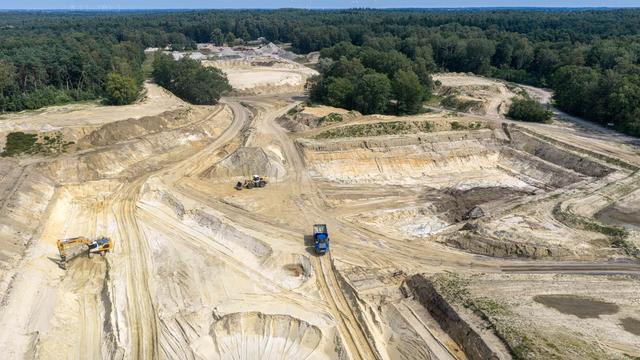
Germany is embarking on an extensive environmental remediation project at the former Bremen-Farge tank storage facility, a site that once held the distinction of being the world's largest underground fuel depot. Decades of operation have left the soil and groundwater heavily contaminated, necessitating a complex and costly cleanup.
The core of the remediation involves excavating and cleaning an estimated 185,000 cubic meters of soil. The contamination is particularly severe around a former rail loading station, where pollutants have penetrated up to 30 meters deep and are migrating with groundwater towards the Unterweser river. Since February, contaminated soil has been removed from this area.
"By exchanging the soil, we are eliminating the core problem – the actual source of the contamination," explained expert Stefan Ivert. Highly contaminated material is being processed at a specialized facility in the Bremen industrial port. In parallel, nine wells are being used to protect the groundwater by pumping and treating contaminated water. An existing facility, operational since 2010, continues to remove fuel phases from the groundwater, having already extracted approximately 130 tons.
The Bremen-Farge tank storage facility was constructed between 1935 and 1943, serving various military purposes for storing and transferring fuels. The site housed 78 tanks with a total capacity exceeding 300,000 cubic meters. Although the facility was decommissioned in 2016, with plans for complete dismantling this year, the environmental legacy requires significant intervention. The current cleanup operation is projected to last two years and is estimated to cost around 17.5 million euros.
By exchanging the soil, we are eliminating the core problem – the actual source of the contamination.
DistantNews Editorial
Originally published by Die Zeit in German. Translated, summarized, and contextualized by our editorial team with added local perspective. Read our editorial standards.
More Stories


From Our Blog

What Gets Lost (and Found) When News Is Translated

How the Same Story Looks Different in Different Countries

The Critical Role of Diaspora Media in Global News

What Travellers Should Know About Countries with Restricted Press

A Digital Nomad's Guide to Following Local News
