


Germany Tries to Rise: No More Sick Leave by Phone, €600 More for Middle-Income Family
Translated from Finnish, summarized and contextualized by DistantNews.
At a glance
News
Sources not specified
New plan
- Germany's government introduced a significant reform package to boost its struggling economy.
- Key measures include stricter rules for sick leave, longer fixed-term contracts, and tax relief for low- and middle-income families.
- The reforms aim to address issues like low growth, slow digitalization, and an aging population.
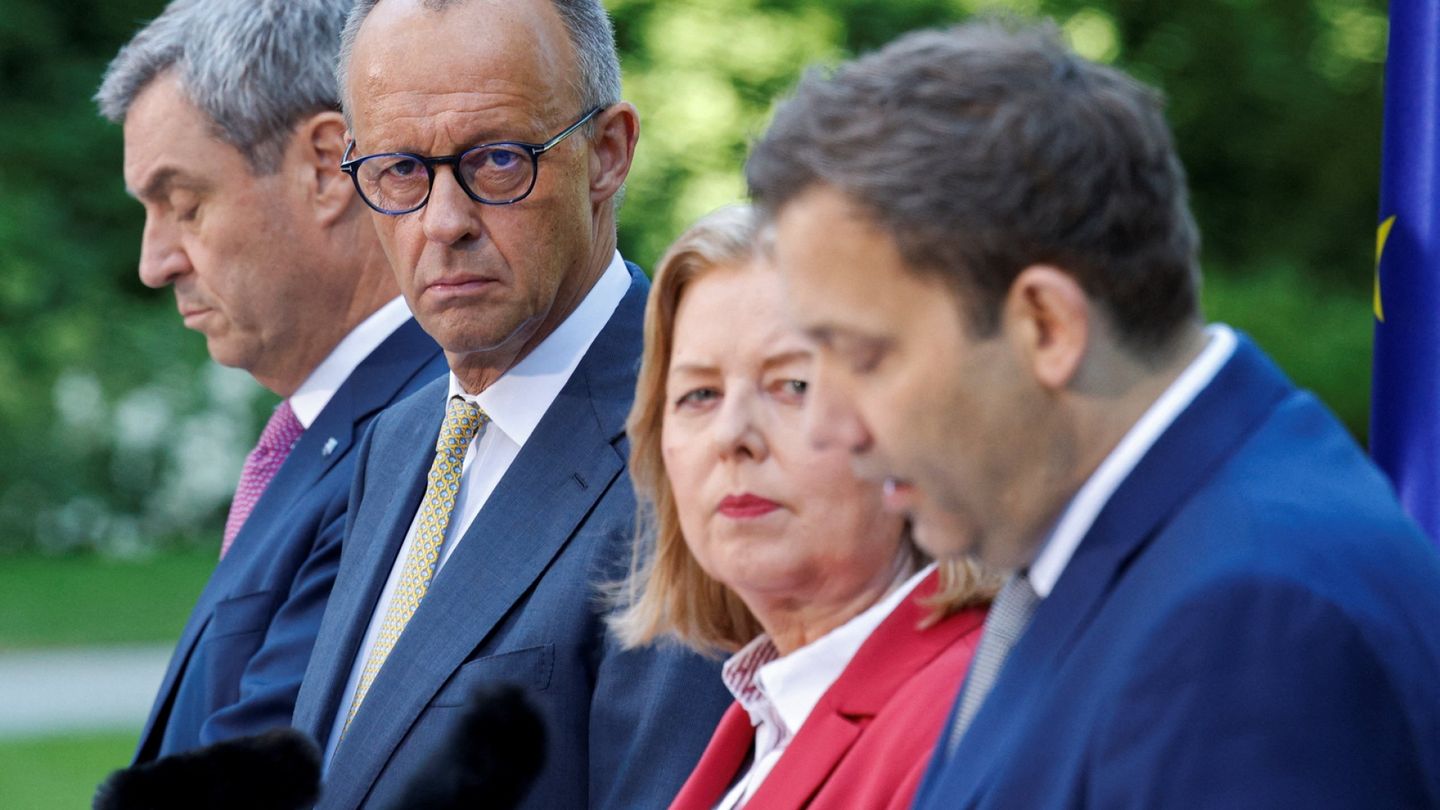
Germany's coalition government, led by Chancellor Friedrich Merz, has unveiled a substantial reform package aimed at revitalizing Europe's largest economy. The measures tackle several persistent challenges, including sluggish growth, lagging digitalization, and the strain of an aging population.
Central to the reforms are changes to the labor market and taxation. Sick notes will now be required from the first day of absence, ending the practice of issuing them via phone for short-term illnesses, though local agreements may allow exceptions. The duration for fixed-term employment contracts without requiring a specific reason has been extended from two to four years. Additionally, tax relief will be provided to low- and middle-income families, with a couple earning €60,000 annually and two children expected to save €600 per year. Conversely, higher earners will face increased taxes.
We cannot hide in the past. We must awaken enthusiasm for our country's future.
The government also plans to introduce a digital tax return system. Reforms to the pension system are also on the agenda, following recommendations from a pension commission. These include potentially linking the retirement age to life expectancy after 2031, gradually increasing it towards 67.5 by 2041, and ending early retirement at 63 without affecting pension amounts. A "Swedish model" of a funded pension supplementing the current pay-as-you-go system is also proposed.
Chancellor Merz, who took office a year ago amid high expectations, faces historically low approval ratings as many promises remain unfulfilled. He presented the reforms with a notably moderate tone, refraining from providing specific economic growth forecasts tied to the package. The reforms come as Germany grapples with a significant defense buildup due to perceived Russian threats and potential US withdrawal from Europe, following last year's decision to increase defense spending and allocate €500 billion for infrastructure.
Germany will be bold, but not reckless.
DistantNews Editorial
Originally published by Helsingin Sanomat in Finnish. Translated, summarized, and contextualized by our editorial team with added local perspective. Read our editorial standards.
More Stories
From Our Blog

What Gets Lost (and Found) When News Is Translated

The Critical Role of Diaspora Media in Global News

What Travellers Should Know About Countries with Restricted Press

A Digital Nomad's Guide to Following Local News

How the Same Story Looks Different in Different Countries
