

Ghar Ouchettouh Cave Massacre: Memory Overrides State Archives
Translated from French, summarized and contextualized by DistantNews.
At a glance
News
Sources not specified
Context piece
- Historian Christophe Lafaye highlights the 1959 Ghar Ouchettouh cave massacre in Algeria as a symbol of chemical warfare and official record flaws.
- During a colonial army operation, over 118 Algerians, including civilians, died from toxic gas and
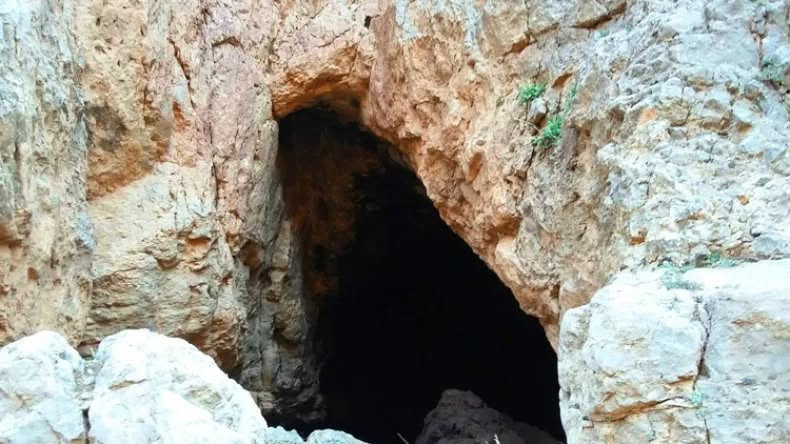
Historian Christophe Lafaye is using the 1959 Ghar Ouchettouh cave massacre to symbolize the tragedy of chemical warfare and the shortcomings of official records. During a large-scale operation by the colonial army in Algeria's mountains, more than 118 Algerians, comprising FLN fighters and civilians, perished from asphyxiation deep within a rock cavity.
The methods employed, which included injecting toxic combat gases and using "human bombs," deliberately violated the laws of war and international conventions that France had ratified. Examination of French military administration documents reveals a distorted reality. Official reports downplayed the tragedy's scale, softened the use of chemical weapons, and concealed facts with neutral technical terms or incomplete accounting, all to cover up the operation's illegality.
the massacre of the Ghar Ouchettouh cave, which occurred on March 22 and 23, 1959, in the mountains of Algeria, as a symbol of the tragedy of chemical warfare and the flaws in official archives.
Sixty years later, the truth of this crime is being established not by administrative archives, but by the vibrant local Algerian memory, accounts from the last survivors, contemporary reports from the International Committee of the Red Cross (ICRC), and on-site topographic and material surveys. These "alternative archives" are proving richer, more precise, and more reliable than the permanently sealed or falsified Parisian administrative records for writing this history.
the reports of the International Committee of the Red Cross (ICR), seized as early as April 1959 by Ferhat Abbas, as well as the topographic and material surveys carried out on the ground
DistantNews Editorial
Originally published by El Watan in French. Translated, summarized, and contextualized by our editorial team with added local perspective. Read our editorial standards.
More Stories
From Our Blog

What Gets Lost (and Found) When News Is Translated

The Critical Role of Diaspora Media in Global News

What Travellers Should Know About Countries with Restricted Press

A Digital Nomad's Guide to Following Local News

How the Same Story Looks Different in Different Countries
