

Washington brokers fragile Lebanon-Israel ceasefire with secret guarantees
Translated from French, summarized and contextualized by DistantNews.
At a glance
News
Named sources
New plan
- The United States has brokered a fragile ceasefire agreement between Lebanon and Israel after two days of intensive negotiations in Washington.
- The deal includes secret guarantees and parallel channels involving Iran, though its specific terms remain unclear.
- Diplomatic efforts faced significant hurdles, with initial positions appearing irreconcilable regarding the disarmament of Hezbollah.
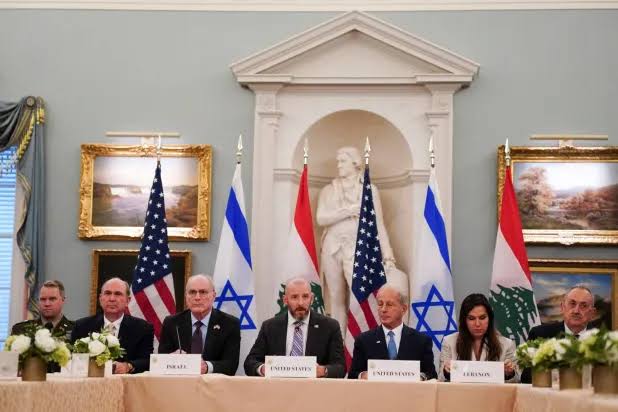
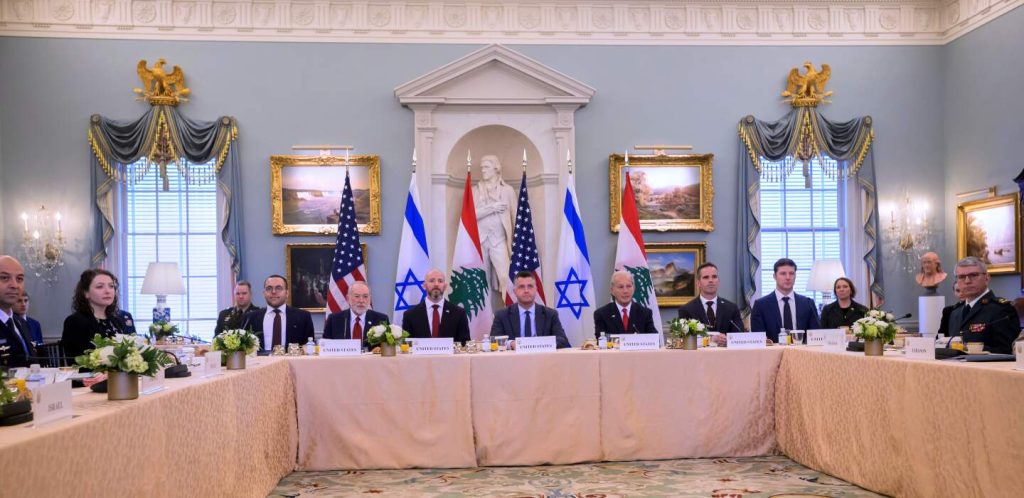
After marathon negotiations in Washington, the Trump administration has brokered an unprecedented ceasefire agreement between Beirut and Tel Aviv. The deal, however, is described as fragile and includes secret guarantees and parallel channels that involve Iran, with its ambitious but vaguely defined terms.
Two days of intense, often closed-door, negotiations were required for American, Lebanese, and Israeli diplomats to reach the agreement. The process was fraught with difficulty, as positions seemed irreconcilable from the outset. The Lebanese delegation, led by former ambassador Simon Karam, prioritized a "total and genuine ceasefire" as a prerequisite for any further discussions, aligning with instructions from top Lebanese officials.
Conversely, Israeli negotiators, including Ambassador Yechiel Leiter, insisted on the immediate disarmament of Hezbollah as a necessary condition for any ceasefire. This fundamental clash of priorities threatened to derail the entire process, according to sources close to the discussions.
Facing this impasse, the American delegation, including State Department officials and ambassadors to Lebanon and Israel, intervened. Their efforts led to the formulation of "side guarantees not included in the final text," a common practice in US diplomacy in the Middle East to reassure each party separately on sensitive points. A significant revelation is that US Middle East envoy Steve Witkoff contacted Iran's Foreign Minister Abbas Araghchi shortly before the announcement, establishing a parallel channel of communication.
Simultaneously, officials from an unidentified Arab state engaged with Lebanese officials, including former minister Ali Hassan Khalil and Hezbollah deputy Ammar Mousawi, through an "indirect channel." These parallel communications underscore the complex and multi-layered diplomacy employed to achieve the fragile truce.
DistantNews Editorial
Originally published by El Watan in French. Translated, summarized, and contextualized by our editorial team with added local perspective. Read our editorial standards.
More Stories

From Our Blog

What Gets Lost (and Found) When News Is Translated

The Critical Role of Diaspora Media in Global News

What Travellers Should Know About Countries with Restricted Press

A Digital Nomad's Guide to Following Local News

How the Same Story Looks Different in Different Countries
