


Global Displacement Falls for First Time in a Decade
Translated from Danish, summarized and contextualized by DistantNews.
At a glance
News
From a news agency
Outcome reported
- For the first time in over a decade, the number of people displaced globally by war, violence, and persecution has decreased.
- The UN Refugee Agency (UNHCR) reported that by the end of 2025, 117.8 million people were displaced worldwide, a reduction of 5.4 million from the previous year.
- This decrease is largely attributed to 14.7 million people returning to their home countries, with Afghanistan seeing a significant number of returns, partly due to stricter policies in Iran and Pakistan.
The global number of people forced to flee their homes due to conflict, violence, and persecution has fallen for the first time in more than ten years, according to the annual report from the UN Refugee Agency (UNHCR).
Published on Thursday, the report for 2025 indicates that by the end of the year, a total of 117.8 million individuals were displaced worldwide. This marks a decrease of 5.4 million people compared to the figures from 2024.
The primary driver behind this decline is the return of 14.7 million people to their countries or regions of origin last year. While the majority were internally displaced persons, 4.4 million refugees also returned to their homelands in 2025. This figure represents the second-highest number of refugee returns recorded in the past 60 years.
Afghanistan saw a notable number of returns, with 1.9 million refugees going back in 2025. This trend was influenced by stricter regulations imposed by neighboring countries, Iran and Pakistan, which reportedly compelled many Afghan refugees to return home. The Taliban regained control of Afghanistan in 2021.
UNHCR highlighted that the majority of returning refugees went back to six countries: Afghanistan, the Democratic Republic of Congo, Sudan, Syria, Ukraine, and Myanmar. Despite the decrease in overall numbers, the agency stressed that the total number of displaced people remains "unacceptably high."
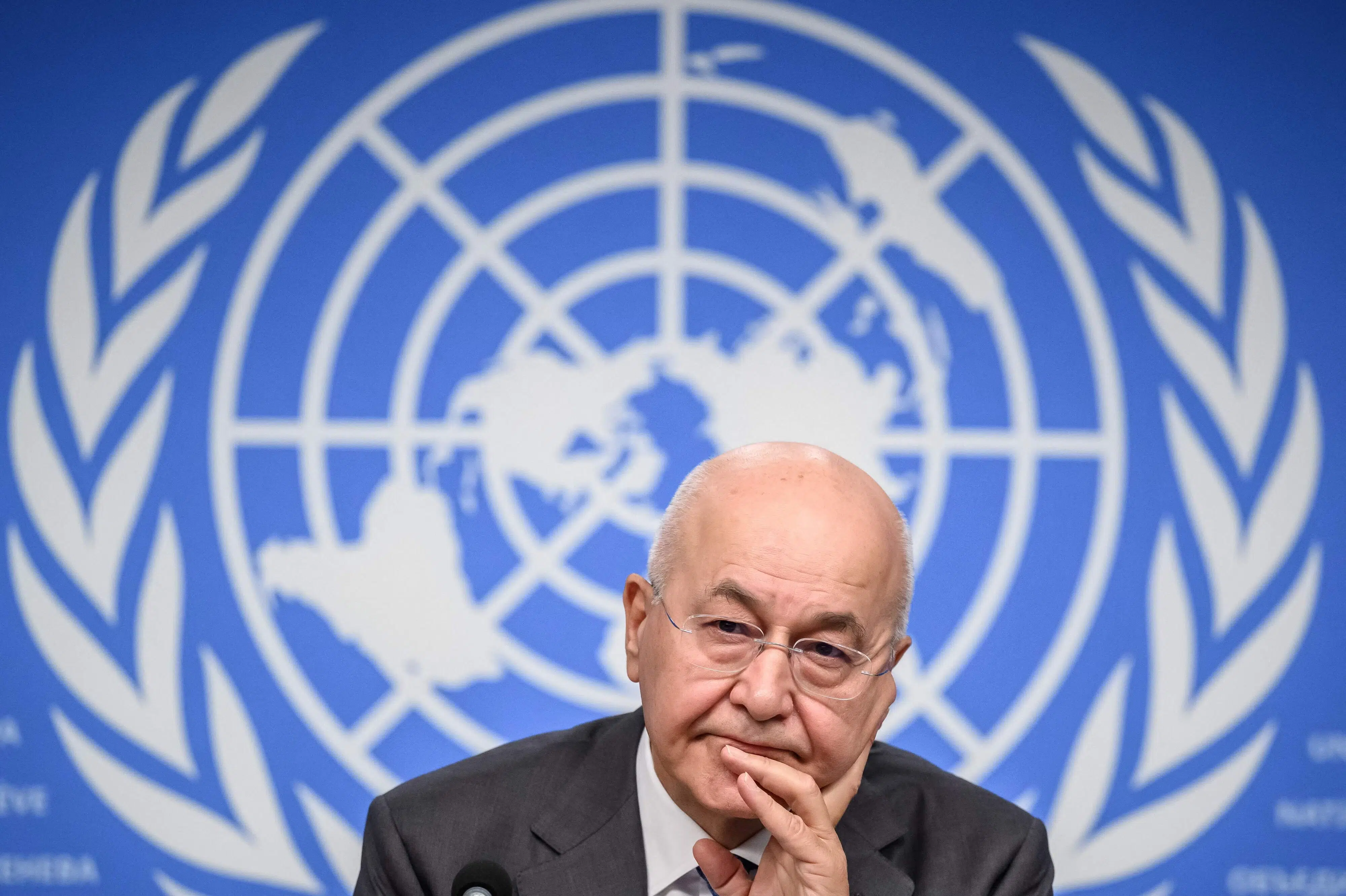
UN High Commissioner Filippo Grandi commented that many refugees are returning to areas with destroyed infrastructure and limited economic opportunities. He warned that if conditions are not safe, such returns could initiate a new cycle of displacement. UNHCR is calling for concerted action to significantly reduce long-term displacement over the next decade.
If it is not safe when people return, then it is not a solution. Then there is a risk that it is the beginning of a new cycle of displacement.
DistantNews Editorial
Originally published by Berlingske in Danish. Translated, summarized, and contextualized by our editorial team with added local perspective. Read our editorial standards.
More Stories


From Our Blog

What Gets Lost (and Found) When News Is Translated

The Critical Role of Diaspora Media in Global News

What Travellers Should Know About Countries with Restricted Press

A Digital Nomad's Guide to Following Local News

How the Same Story Looks Different in Different Countries
