


Global Economy Withstands Iran Conflict, But Inflation Remains a Risk
Translated from German, summarized and contextualized by DistantNews.
At a glance
News
Named sources
Context piece
- The global economy is weathering the Iran conflict relatively well, with limited impact on commodity prices and inflation so far, according to the IMF.
- The boom in artificial intelligence is providing economic momentum, boosting growth in countries like South Korea and Taiwan, offsetting some of the conflict's drag.
- However, downside risks remain, particularly concerning inflation, which the IMF has revised upward, and the potential for overestimation of the AI boom's impact.
The global economy is demonstrating resilience, largely absorbing the impacts of the Iran conflict with only minor effects on commodity prices and inflation expectations. The International Monetary Fund (IMF) notes that the economic outlook remains cautiously optimistic, with growth forecasts for the current year only slightly reduced and projections for the next year actually increased.
This stability is partly attributed to the powerful surge in artificial intelligence (AI), which is acting as a significant economic driver. Countries heavily involved in exporting AI hardware, such as South Korea and Taiwan, are experiencing stronger-than-expected growth. This technological boom is providing a much-needed boost, counteracting some of the negative pressures stemming from geopolitical instability.
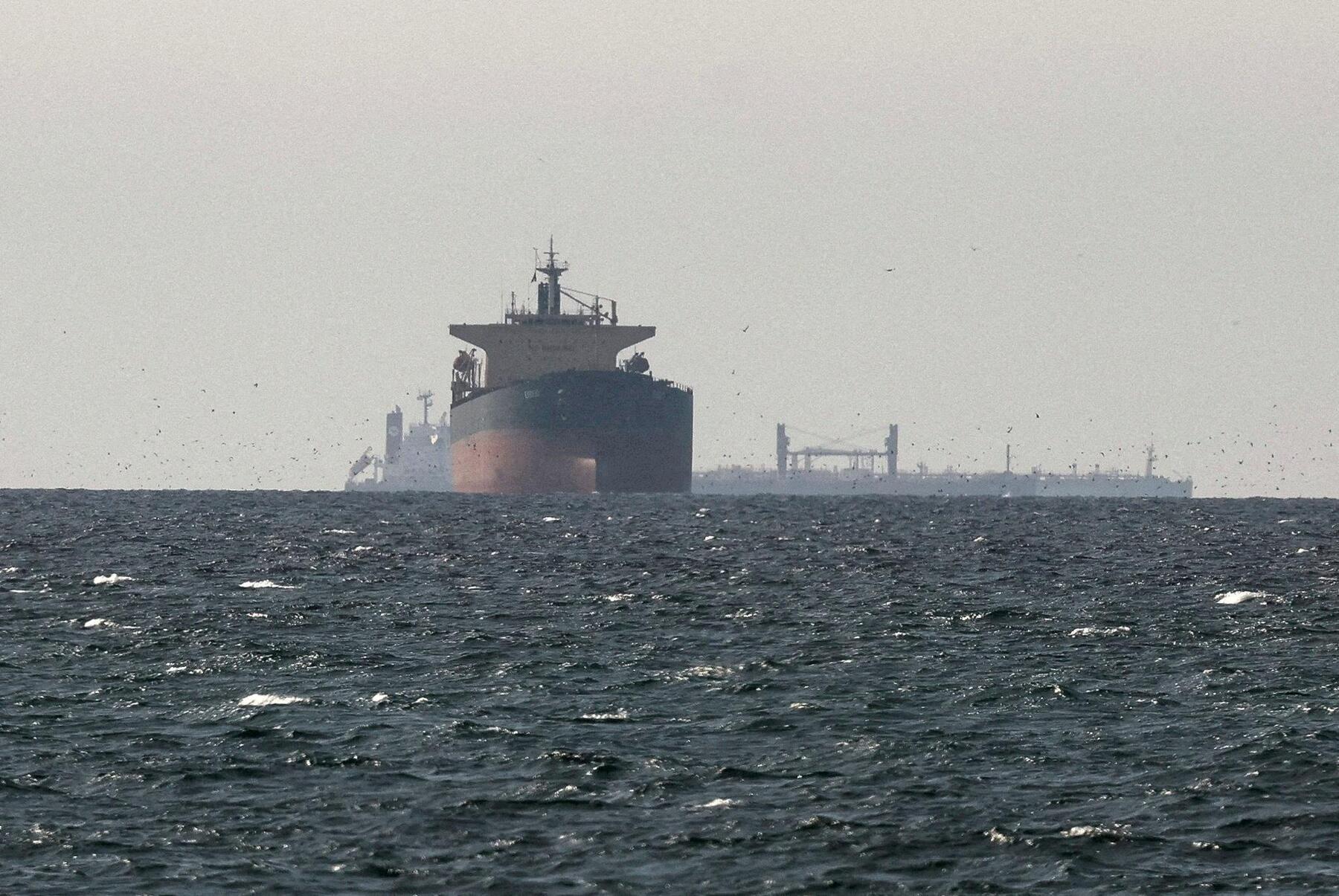
Despite these positive trends, the IMF highlights that significant risks persist. The conflict in the Middle East, including renewed oil sanctions against Iran and attacks on shipping in the Strait of Hormuz, continues to pose a threat. The IMF's forecasts assume a gradual reopening of the vital Strait of Hormuz by mid-July, with a return to pre-conflict conditions by March 2027. Furthermore, the IMF cautions that expectations surrounding the AI boom might be overly optimistic.
Inflation remains a key concern, with the IMF revising its inflation forecast upward due to increased energy prices. While current signs do not indicate inflation spiraling out of control, the IMF strongly advises central banks to prioritize price stability and avoid monetary policies that could exacerbate inflationary pressures. Consequently, no imminent easing of monetary policy is anticipated in the US and Eurozone.
DistantNews Editorial
Originally published by Die Presse in German. Translated, summarized, and contextualized by our editorial team with added local perspective. Read our editorial standards.
More Stories

From Our Blog

What Gets Lost (and Found) When News Is Translated

The Critical Role of Diaspora Media in Global News

What Travellers Should Know About Countries with Restricted Press

A Digital Nomad's Guide to Following Local News

How the Same Story Looks Different in Different Countries
