


Global Finance Chiefs Admit Limits in Mitigating Shocks, Reliance on US Leadership Fades
Translated from English, summarized and contextualized by DistantNews.
TLDR
- Global finance leaders at IMF/World Bank meetings struggled to mitigate economic shocks from geopolitical events, particularly the Middle East war.
- A potential reopening of the Strait of Hormuz offered tentative optimism, but new shipping attacks quickly dampened hopes.
- The IMF and World Bank pledged $150 billion for developing countries, but acknowledged limited power to resolve global crises, with key decisions lying outside the meetings.
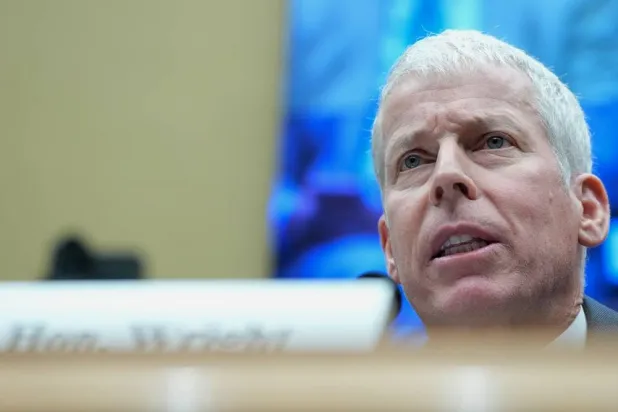
The recent Spring Meetings of the International Monetary Fund and World Bank in Washington highlighted a stark reality: the global financial architecture is increasingly vulnerable to geopolitical shocks, and traditional reliance on US leadership for crisis resolution is waning. Finance leaders found themselves whipsawed by news from the Middle East, grappling with the limitations of their institutions in cushioning the economic fallout from escalating conflicts and energy supply disruptions.
Actually, some of the most important decisions on the global economy are not happening here.
Initial optimism, sparked by the prospect of Iran reopening the Strait of Hormuz and restoring vital commodity flows, proved fleeting. Renewed attacks on shipping routes swiftly eroded confidence, underscoring the volatile nature of the current global landscape. While the IMF and World Bank announced significant financing packages for developing nations hardest hit by energy price shocks and celebrated re-engagement with Venezuela's interim government, these actions were framed against a backdrop of broader helplessness.
The single most important development in the global economy happened between the US and Iran.
As Josh Lipsky of the Atlantic Council observed, the most critical decisions shaping the global economy were unfolding not within the meeting halls, but in the geopolitical arena, particularly between the US and Iran. Saudi Arabia's Finance Minister Mohammed Al-Jadaan echoed this sentiment, expressing discomfort in predicting an improved outlook until maritime trade flows freely and energy prices stabilize. The IMF's own forecasts painted a grim picture, warning that a prolonged conflict could push the global economy toward recession, a stark contrast to the buoyant stock markets that seemed disconnected from these underlying fragilities. This divergence highlights the complex and often contradictory signals influencing global economic sentiment.
We hope it's good news, and we'll wait and see.
DistantNews Editorial
Originally published by Asharq Al-Awsat in English. Translated, summarized, and contextualized by our editorial team with added local perspective. Read our editorial standards.
More Stories
From Our Blog

What Gets Lost (and Found) When News Is Translated

The Critical Role of Diaspora Media in Global News

What Travellers Should Know About Countries with Restricted Press

A Digital Nomad's Guide to Following Local News

How the Same Story Looks Different in Different Countries
