


Global hunger crisis looms as Middle East conflict disrupts Hormuz Strait
Translated from Vietnamese, summarized and contextualized by DistantNews.
At a glance
News
Named sources
Context piece
- The closure of the Strait of Hormuz is exacerbating a global hunger crisis, according to the World Food Programme (WFP).
- Rising prices for essential goods like rice and wheat, driven by oil prices around $100/barrel, could push 45 million people into severe food insecurity.
- WFP faces funding shortages and increased operational costs, potentially reducing aid to 1.5 million people in 2026.
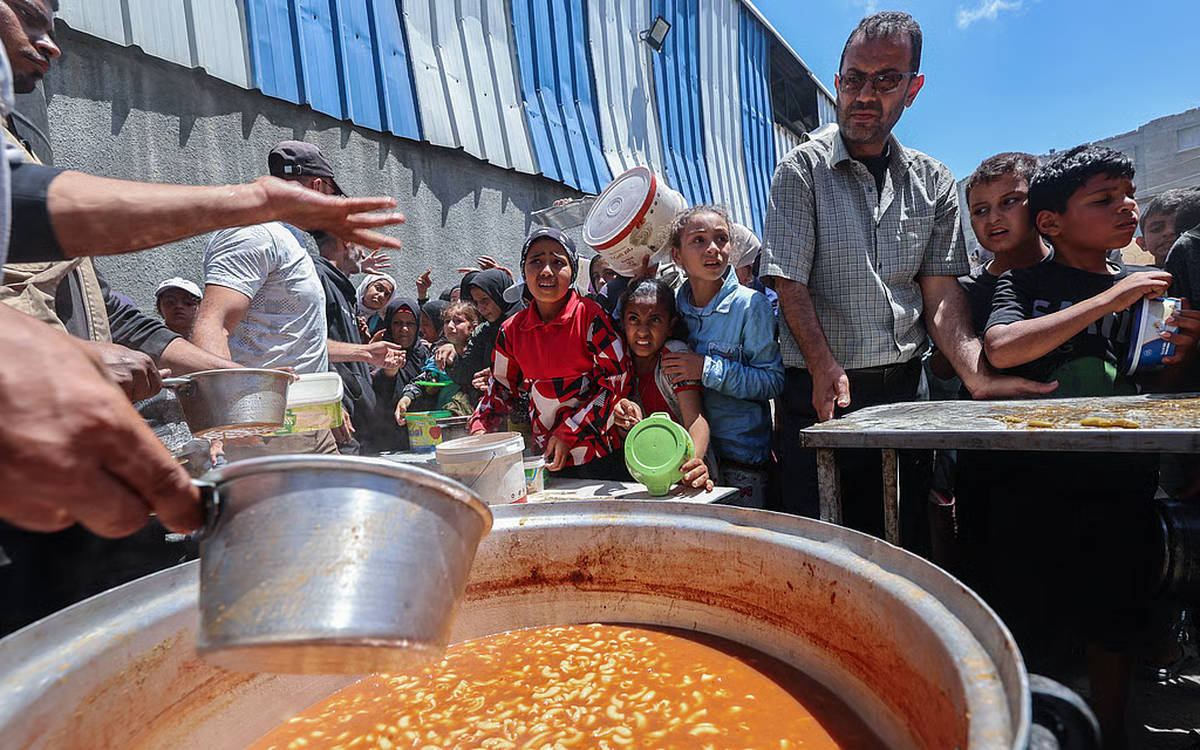
The ongoing closure of the Strait of Hormuz is driving a worsening global hunger crisis, with the World Food Programme (WFP) warning of escalating poverty. Jean-Martin Bauer, WFP's director of food and nutrition analysis, stated that the continued blockage of this vital shipping lane is causing significant price hikes for essential commodities such as rice and wheat, pushing more people into food scarcity.
WFP estimates that if oil prices remain around $100 per barrel through June, approximately 45 million people worldwide could face severe food insecurity. This adds to the nearly 320 million people already grappling with acute hunger since the beginning of the year. "The pessimistic forecasts made at the beginning of the year are coming true, and we need to act," Bauer urged.
The conflict in the Middle East, now in its fourth month, has not subsided despite numerous negotiation rounds. The Strait of Hormuz, a critical chokepoint for global oil transport, remains severely disrupted. WFP highlights the ripple effects of this crisis globally, including soaring fuel prices, food inflation, reduced incomes, and trade disruptions, disproportionately affecting vulnerable nations already struggling with poverty and instability.
In Somalia, WFP projects an additional 2.5 million people will be unable to afford basic food by the end of the year, increasing the proportion of households unable to meet essential needs to nearly 60%, up from 47% in 2025. Bauer cautioned that the world risks a repeat of the 2022 cost-of-living crisis triggered by the Russia-Ukraine conflict. However, unlike that period, the current humanitarian aid system faces severe international funding shortfalls, particularly since Donald Trump's return to the White House.
WFP anticipates reducing aid to approximately 1.5 million people in 2026 compared to initial plans due to increased demand, rising transportation, and distribution costs. If the conflict persists for another six months, over 9 million people globally risk losing humanitarian aid. In Somalia alone, WFP warns that food reserves for relief could be depleted within months.
The pessimistic forecasts made at the beginning of the year are coming true, and we need to act.
DistantNews Editorial
Originally published by Tuổi Trẻ in Vietnamese. Translated, summarized, and contextualized by our editorial team with added local perspective. Read our editorial standards.
More Stories



From Our Blog

What Gets Lost (and Found) When News Is Translated

The Critical Role of Diaspora Media in Global News

What Travellers Should Know About Countries with Restricted Press

A Digital Nomad's Guide to Following Local News

How the Same Story Looks Different in Different Countries
