


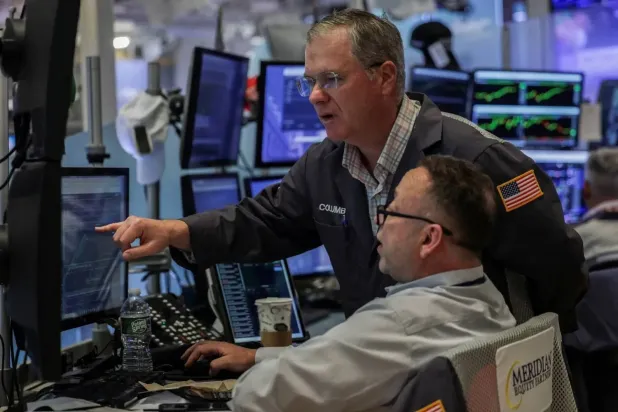
Global Markets Regain Momentum after Strait of Hormuz Reopening Announcement
Summarized and contextualized by DistantNews.
TLDR
- Global markets rallied Friday following Iran's announcement that it would reopen the Strait of Hormuz to all commercial vessels.
- The reopening of the crucial shipping lane coincided with a ceasefire in Lebanon, easing geopolitical supply concerns and leading to a sharp drop in oil prices.
- Equities extended gains, while the US dollar and Euro saw fluctuations as investors reassessed global economic risks.
The reopening of the Strait of Hormuz, a vital artery for global energy supplies, has sent ripples of relief through international financial markets. Iran's foreign minister declared the strait fully open to commercial shipping for the duration of a ceasefire in Lebanon, a move that has been met with cautious optimism by investors worldwide. This development has directly impacted oil prices, which experienced a significant decline, reflecting a temporary easing of the geopolitical risk premium that has underpinned prices in recent weeks.
From the perspective of Asharq Al-Awsat, this announcement is a significant diplomatic and economic development. The Strait of Hormuz is not merely a waterway; it is a critical chokepoint where regional tensions can rapidly escalate and disrupt global trade. Iran's decision to reopen it, particularly in conjunction with a ceasefire in Lebanon, suggests a potential de-escalation in regional conflicts, a prospect that resonates deeply in the Middle East.
Comments from Iran's foreign minister indicate a de-escalation as long as the ceasefire is in place, now we need to see if the number of tankers crossing the Strait increases substantially.
While Western media may focus on the immediate market reactions – the falling oil prices and the shifts in currency valuations – our coverage emphasizes the broader implications for regional stability. The ability of Iran to influence global energy markets through its control over the Strait underscores its strategic importance. The market's positive response, with global equities extending gains, indicates a broader appetite for risk reduction and a desire for predictable trade routes.
Analysts like Giovanni Staunovo of UBS are watching closely to see if the increased tanker traffic materializes, linking the sustainability of these market gains to the continuation of the ceasefire and a wider regional de-escalation. This cautious approach is warranted, as the situation remains fluid. For our readership, the news offers a much-needed respite from the constant threat of supply disruptions and price volatility, highlighting the intricate link between regional diplomacy and global economic health.
Improved prospects for navigation through the Strait of Hormuz clearly reduce the geopolitical risk premium, supporting risk appetite.
DistantNews Editorial
Originally published by Asharq Al-Awsat. Summarized and contextualized by our editorial team with added local perspective. Read our editorial standards.
More Stories
From Our Blog

What Gets Lost (and Found) When News Is Translated

The Critical Role of Diaspora Media in Global News

What Travellers Should Know About Countries with Restricted Press

A Digital Nomad's Guide to Following Local News

How the Same Story Looks Different in Different Countries
