


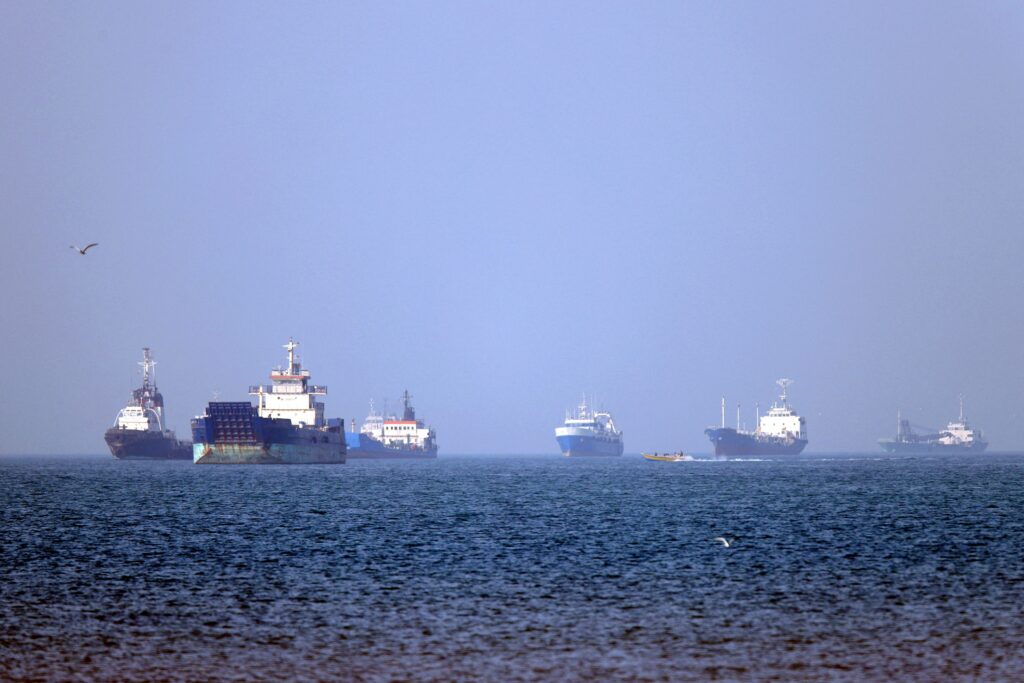
Global oil prices plunge as U.S. and Iran agree to peace deal
Translated from Malay, summarized and contextualized by DistantNews.
At a glance
News
Sources not specified
Outcome reported
- Global oil prices dropped significantly, with Brent crude falling to $83.81 a barrel and WTI to $80.89.
- The price decrease follows an agreement between the U.S. and Iran to end military conflict in West Asia, easing supply disruption fears.
- The drop is seen as positive for Malaysia's economy, despite a potential short-term reduction in petroleum revenue, as it lowers input costs and boosts investor confidence.
Global oil prices have fallen sharply, with U.S. benchmark West Texas Intermediate (WTI) dropping 4.70% to $80.89 a barrel and Brent crude down 4.03% to $83.81. This decline comes after the United States and Iran announced a peace agreement to end military conflict in West Asia. The deal includes an immediate and lasting cessation of military operations in volatile areas like Lebanon.
The resolution of geopolitical tensions has eased investor concerns about global oil supply disruptions. This has led to a sell-off in the energy market, reversing the sharp price increases seen in recent weeks due to geopolitical uncertainty. The market had previously been on edge over potential supply interruptions.
Economists view the price drop as largely positive for Malaysia's economy. Dr. Mohamad Idham Md. Razak, a senior lecturer at Universiti Teknologi MARA, noted that while government revenue from petroleum, such as Petronas dividends and petroleum income tax, might decrease in the short term, other economic sectors will benefit. "The decline in global oil prices will reduce manufacturing and logistics input costs, thereby stimulating domestic trade activities and increasing the profit margins of local companies," he explained.
Furthermore, the return of geopolitical stability is expected to boost investor confidence and attract more foreign investment into Malaysia. The lower oil prices are also anticipated to translate to reduced retail fuel prices domestically, aided by the ringgit's recent strengthening against the U.S. dollar. This situation also allows the government to manage fuel subsidies more effectively, reducing fiscal burden and enabling smoother implementation of targeted subsidies.
DistantNews Editorial
Originally published by Utusan Malaysia in Malay. Translated, summarized, and contextualized by our editorial team with added local perspective. Read our editorial standards.
More Stories



From Our Blog

What Gets Lost (and Found) When News Is Translated

The Critical Role of Diaspora Media in Global News

What Travellers Should Know About Countries with Restricted Press

A Digital Nomad's Guide to Following Local News

How the Same Story Looks Different in Different Countries
