


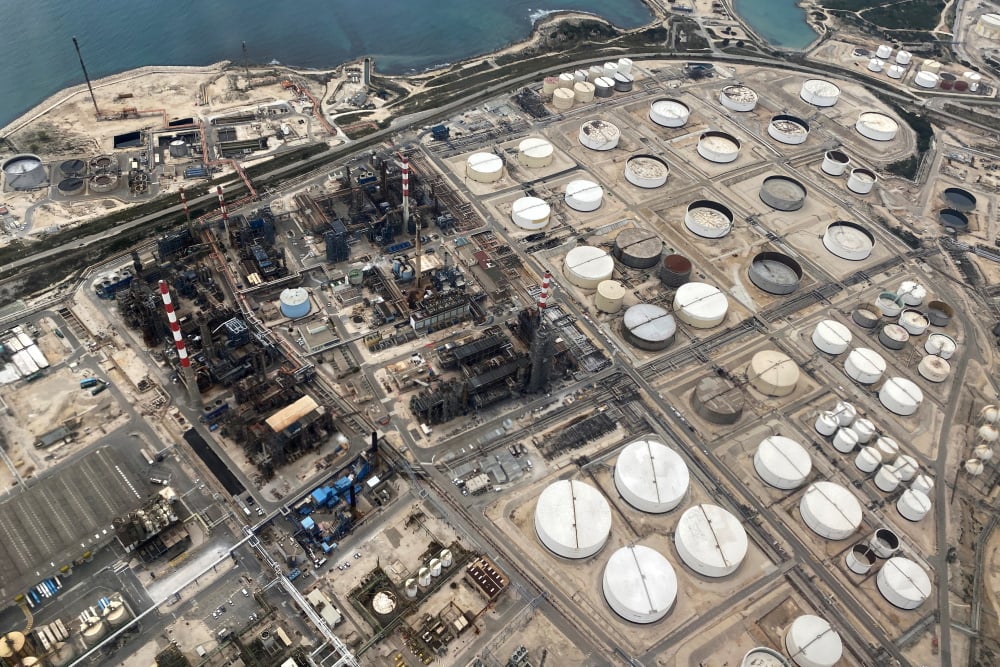
Global oil reserves at red alert ahead of summer travel
Translated from French, summarized and contextualized by DistantNews.
At a glance
News
Sources not specified
Context piece
- Global oil reserves are critically low as summer travel increases demand.
- Geopolitical crises and logistical blockages in the Strait of Hormuz exacerbate supply shortages.
- The International Energy Agency warns that demand destruction is the only short-term solution to prevent a supply crisis.
The global oil market faces an imminent breaking point as summer travel season approaches, according to the International Energy Agency (IEA). Global oil reserves are rapidly depleting, creating extreme vulnerability in the market. This situation is worsened by ongoing geopolitical crises in the Middle East and significant logistical disruptions in the Strait of Hormuz.
Toril Bosoni, head of the IEA's oil industry and markets division, expressed concern that the situation could quickly become unmanageable. She noted that experts are observing continued drawdowns in reserves as summer nears, with a high probability that the market could reach critical or historically low levels just before the peak of summer demand.
experts observe a continuation of withdrawals as summer approaches, with the possibility, even the probability, that the market will fall to critical levels or even historical lows just before the peak of summer demand.
Geopolitical disruptions have reduced oil production from Gulf countries by approximately 14 million barrels per day since late February. While production from the Americas, including the United States, Brazil, Argentina, and Venezuela, is expected to increase by 1.5 million barrels per day by 2026, this growth is insufficient to offset the losses. The partial paralysis of the Strait of Hormuz remains a major bottleneck. Even with a rapid de-escalation and a diplomatic agreement between Iran and the United States, experts estimate it would take six to eight months to restore normal traffic.
Traditional emergency mechanisms are also proving inadequate. Half of the 400 million barrels of emergency reserves decided upon in March have not yet been released to the market. Bosoni emphasized that emergency reserve releases are only a temporary measure. The scale of supply losses is so significant that the market will need to adjust through demand reduction. High prices and a global economic slowdown are already forcing consumers to reduce their oil purchases, with demand destruction emerging as the primary market adjustment factor.
the main adjustment factors observed in the markets come from the demand side.
DistantNews Editorial
Originally published by El Watan in French. Translated, summarized, and contextualized by our editorial team with added local perspective. Read our editorial standards.
More Stories


From Our Blog

What Gets Lost (and Found) When News Is Translated

The Critical Role of Diaspora Media in Global News

What Travellers Should Know About Countries with Restricted Press

A Digital Nomad's Guide to Following Local News

How the Same Story Looks Different in Different Countries
