


Global Tensions Drive Renewable Energy Investment in Europe and Asia
Translated from Romanian and summarized by DistantNews. Read the original for the full story.
At a glance
News
From a news agency
Context piece
- Global tensions, particularly the US-Iran conflict, are prompting European and Asian governments to boost investments in renewable energy.
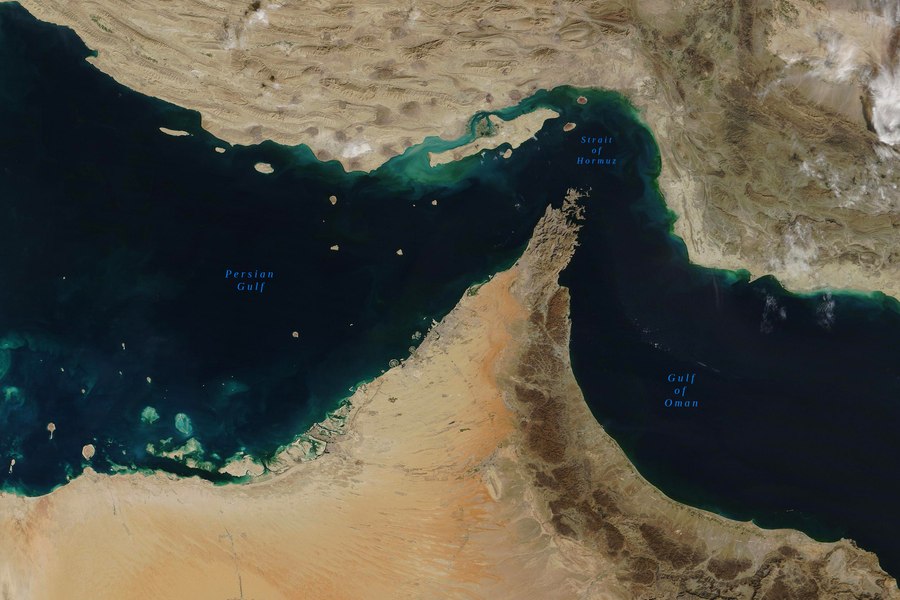
- The closure of the Strait of Hormuz has disrupted oil and gas shipments, increasing the appeal of solar power and other renewables despite a rise in coal use.
- While renewable energy production is growing faster than coal, global greenhouse gas emissions are still projected to increase, highlighting the need for continued investment in green technologies.
The ongoing conflict between the United States and Iran, now six months old, has become a significant catalyst for renewable energy development across Europe and Asia. Governments in these regions are accelerating their transition to green power sources to lessen their dependence on imported fossil fuels. This strategic shift comes as the effective closure of the Strait of Hormuz has disrupted approximately one-fifth of global oil and liquefied natural gas shipments, according to a Reuters analysis.
Renewable energy sources are experiencing rapid global growth, with the International Energy Agency (IEA) forecasting that renewables will become the primary source of electricity generation worldwide for the first time this year. Rooftop solar systems, in particular, have become more attractive due to their shorter installation times and lower costs. In the Philippines, high energy prices, driven by expensive imported fuels, are pushing households and businesses to invest in solar power. Similarly, Australia's battery subsidy program has spurred installations of rooftop solar systems, and Europe has also seen increased demand for such systems since the conflict began.
However, the surge in renewable energy is occurring alongside a rise in coal usage. With the Strait of Hormuz remaining a point of contention and renewables not yet capable of ensuring continuous electricity production, coal-fired power plants are being utilized to meet energy demands. Despite this, the growth rate of renewable energy production is significantly outpacing that of coal. The IEA estimates an 8.5% increase in renewables compared to a 1.4% rise in coal production.
Even in the United States, where President Donald Trump has opposed green energy policies, renewable energy production saw a 10% increase in the first half of the year compared to the same period in 2025. Yet, this expansion is not enough to curb rising greenhouse gas emissions. The IEA projects that emissions will increase by 1.1% this year, reaching a record 14.2 billion tons. Future projections indicate a 0.7% decrease in coal production by 2027, while natural gas electricity generation is expected to rise by 1.5%. This scenario underscores the continued need for substantial investments in renewable energy, grid infrastructure, and energy storage systems to achieve emission reduction goals. Asian economies, heavily reliant on oil and gas imports through the Strait of Hormuz, are feeling the energy crisis most acutely. China, for instance, has accelerated its solar energy development, with production growing more than three times faster than its coal-based energy output.
About this summary
Originally published by Adevărul in Romanian. Translated, summarized, and contextualized automatically by DistantNews, with a note on how the source frames the story. Not individually reviewed before publishing. How this works.
More Stories

From Our Blog

What Gets Lost (and Found) When News Is Translated

The Critical Role of Diaspora Media in Global News

What Travellers Should Know About Countries with Restricted Press

A Digital Nomad's Guide to Following Local News

How the Same Story Looks Different in Different Countries
