


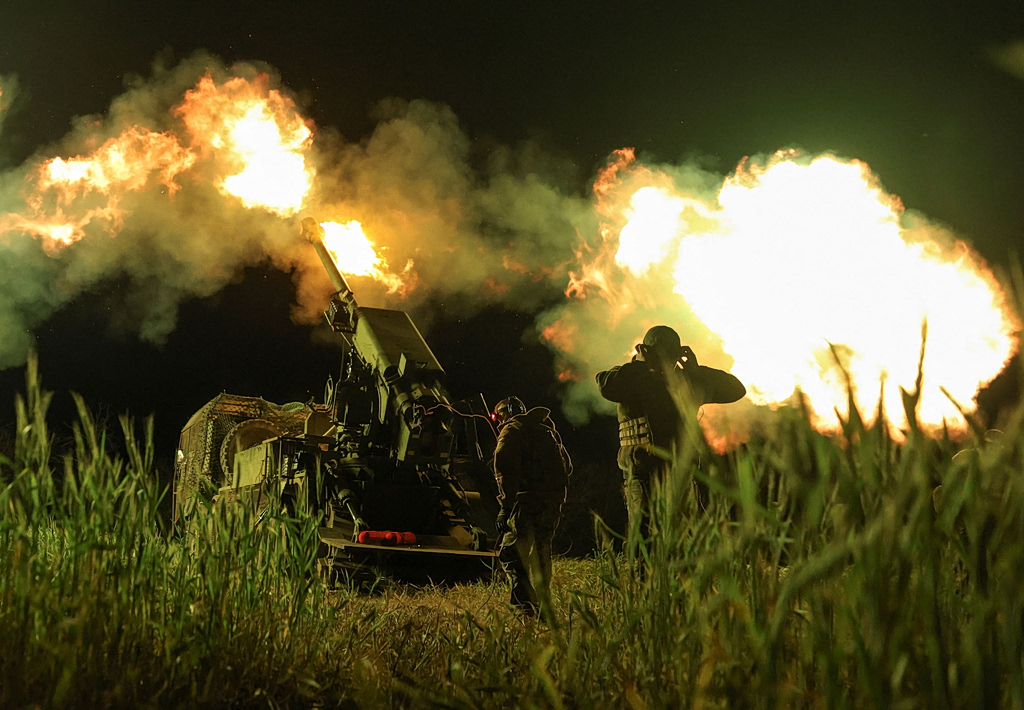
Global violence in 2025 surged to highest level since WWII, report finds
Translated from Greek, summarized and contextualized by DistantNews.
At a glance
News
From a news agency
Context piece
- Global violence surged in 2025, reaching levels not seen since World War II, according to a Norwegian research institute.
- The number of state-involved conflicts rose to 65, with interstate conflicts doubling.
- Civilian deaths dramatically increased, largely due to conflicts in Sudan and El Fasher.
Global violence reached a post-World War II high in 2025, with a significant increase in armed conflicts and a dramatic rise in civilian casualties, according to a new report from the Peace Research Institute Oslo (PRIO).
The report documented 65 conflicts involving states, the highest number recorded since 1945. Interstate conflicts doubled compared to 2024, reaching eight. Researcher Siri Aas Rustad expressed shock at the findings, noting the difficulty in finding optimistic trends. The total number of battle-related deaths reached 245,000, the third highest since the Cold War. Civilian deaths alone surged from 14,200 in 2024 to 76,500, primarily driven by the civil war in Sudan and the massacre in El Fasher, which claimed approximately 60,000 lives.
shocked
Rustad identified Israel as one of the most aggressive countries due to its involvement in Gaza, Syria, Lebanon, Iran, and Yemen. She also implicated the United States, citing its military interventions and trade embargoes that undermine international cooperation, as contributing to the escalation. The report suggests that the UN Security Council is failing, leading to increased global polarization.
Africa remains the most affected continent, with 29 conflicts, followed by Asia, the Middle East, the Americas, and Europe. PRIO's findings paint a grim picture of escalating global instability and the devastating human cost of modern warfare.
one of the most aggressive countries today
DistantNews Editorial
Originally published by Ta Nea in Greek. Translated, summarized, and contextualized by our editorial team with added local perspective. Read our editorial standards.
More Stories


From Our Blog

What Gets Lost (and Found) When News Is Translated

The Critical Role of Diaspora Media in Global News

What Travellers Should Know About Countries with Restricted Press

A Digital Nomad's Guide to Following Local News

How the Same Story Looks Different in Different Countries
