

Gold faces historic collapse scenario, Citi bank points to specific period
Translated from Turkish, summarized and contextualized by DistantNews.
At a glance
Analysis
Official statement
Context piece
- Gold prices have entered a sharp decline after reaching a historic peak of $2,594 per ounce on January 29.
- Citi analysts predict gold could fall to $3,500 per ounce if the Strait of Hormuz remains closed through the summer, a nearly 20% drop from current levels.
- Factors contributing to gold's risk include geopolitical tensions, high energy prices, rising interest rates, a strong dollar, and reduced investor demand.
Gold prices have entered a significant downward trend after hitting a historic high of $2,594 per ounce on January 29. International financial institution Citi has released a new report indicating that the decline in the precious metal's value may continue.
Citi analysts forecast that gold could potentially fall to $3,500 per ounce if the Strait of Hormuz remains closed until the end of summer. This projection represents a substantial decrease of approximately 19.7% from the price observed on Tuesday, which was $4,357 per ounce. The report highlights that gold, traditionally viewed as a "safe haven" during market volatility, is currently exhibiting a "highly risky" short-term outlook.
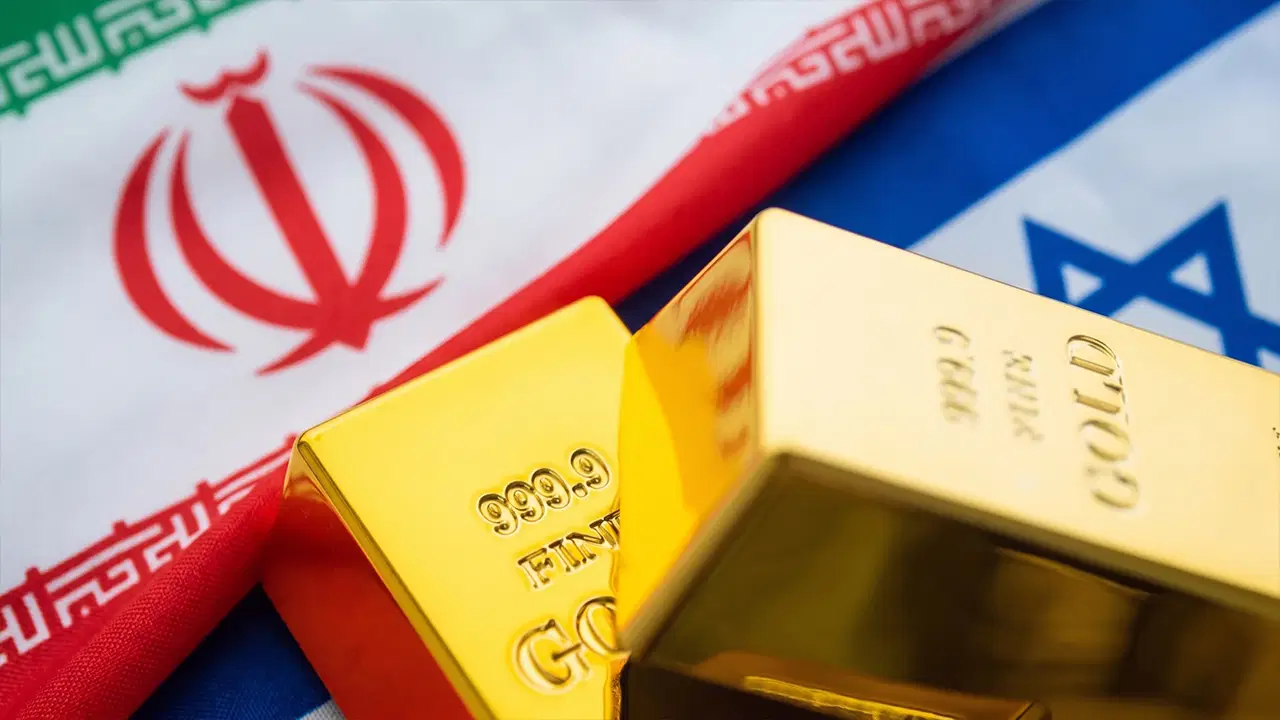
The crisis in the Strait of Hormuz is exerting downward pressure on gold. Citi's assessment suggests that if the strategically important waterway remains effectively closed throughout the summer, global demand for gold could weaken. In such a scenario, analysts estimate that gold prices could retreat to levels seen about nine months ago, around $3,500 per ounce. The report states, "The short-term risk appetite appears negative, and buying dips from these levels is only logical if there is a strong outlook that tensions will not escalate again."
The short-term risk appetite appears negative, and buying dips from these levels is only logical if there is a strong outlook that tensions will not escalate again.
Analysts emphasize that the pressure on the gold market is not solely due to geopolitical risks. The report notes, "A large part of the headwinds gold is currently facing stems directly or indirectly from the stalemate in the Strait of Hormuz and high energy prices. This includes high real interest rates, a strong dollar, weak emerging market activity, and declining investor purchases due to a shift in central bank rhetoric."
Citi analysts also indicated that the pressure on gold could ease if tensions in the Strait of Hormuz decrease and energy prices decline. The report suggests that as energy prices fall, gold might find its bottom, and selling pressure in the market could weaken.
A large part of the headwinds gold is currently facing stems directly or indirectly from the stalemate in the Strait of Hormuz and high energy prices. This includes high real interest rates, a strong dollar, weak emerging market activity, and declining investor purchases due to a shift in central bank rhetoric.
DistantNews Editorial
Originally published by Cumhuriyet in Turkish. Translated, summarized, and contextualized by our editorial team with added local perspective. Read our editorial standards.
More Stories



From Our Blog

What Gets Lost (and Found) When News Is Translated

The Critical Role of Diaspora Media in Global News

What Travellers Should Know About Countries with Restricted Press

A Digital Nomad's Guide to Following Local News

How the Same Story Looks Different in Different Countries
