



Gold Holds Steady, Eyes Fourth Weekly Gain on US-Iran Peace Deal Hopes
Summarized and contextualized by DistantNews.
TLDR
- The Middle East, North Africa, and Pakistan face a "pivotal and exceptionally difficult moment" due to a war that began Feb. 28, 2026, disrupting energy markets, trade routes, and business confidence.
- Saudi Arabia's economy showed resilience, absorbing impacts from disruptions in the Strait of Hormuz and regional output decline, supported by Vision 2030 reforms.
- The conflict has led to a global energy shock, with Brent crude exceeding $100 a barrel and European gas prices rising significantly, impacting regional GDP growth projections.
The International Monetary Fund has painted a stark picture of the economic landscape in the Middle East, North Africa, and Pakistan, characterizing the current period as "pivotal and exceptionally difficult." The ongoing conflict, which erupted on February 28, 2026, has sent shockwaves through vital economic corridors, disrupting the fundamental pillars of stability: energy markets, trade routes, and business confidence.
The Middle East, North Africa, and Pakistan were facing a pivotal and exceptionally difficult moment in their modern economic history after the war that broke out on Feb. 28, 2026, describing it as a severe and multifaceted shock to one of the world’s most strategically important economic corridors.
This war is not merely a regional skirmish; it has triggered a global energy shock, pushing Brent crude prices past the $100 mark and causing a substantial spike in European gas prices, even exceeding the impact seen after Russia's invasion of Ukraine. The Strait of Hormuz, a critical chokepoint for global energy transit, has been severely affected, leading to reduced oil and gas output across GCC countries and jeopardizing global energy security.
The conflict was not merely a border crisis but had disrupted “three pillars of stability, energy markets, trade routes, and business confidence,” triggering a global energy shock and weakening supply chains.
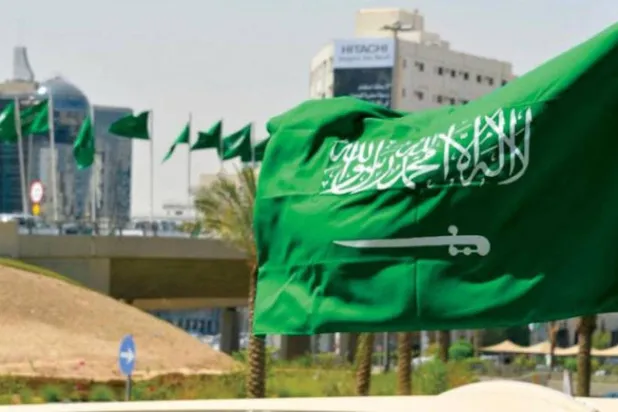
Amidst this widespread economic turmoil, Saudi Arabia's economy stands out as a beacon of resilience. Bolstered by the strategic reforms of Vision 2030, which have enhanced fiscal discipline and logistical flexibility, the Kingdom has demonstrated an "exceptional sturdiness" in navigating the disruptions. This resilience has allowed Saudi Arabia to absorb the impacts of the Strait of Hormuz disruptions and a decline in regional output, showcasing the effectiveness of its long-term economic planning.
Saudi Arabia’s economy emerged as a model of resilience, showing what the IMF described as “exceptional sturdiness” that enabled it to absorb the impact of disruptions to the Strait of Hormuz and a decline in regional output, supported by the pillars of Vision 2030, which strengthened fiscal discipline and logistical flexibility.
The IMF's Regional Economic Outlook highlights the broader implications, projecting a significant slowdown in regional GDP growth to approximately 1.1% for the current year, a stark revision from pre-war forecasts. The shockwaves extend beyond energy, affecting fertilizers, chemicals, and other crucial commodities. Rising food costs pose a direct threat to vulnerable populations, particularly in import-dependent economies. Furthermore, the conflict has crippled air traffic at major Gulf hubs, inflated maritime insurance premiums, and lengthened shipping routes, underscoring the pervasive impact on global logistics and trade. The IMF's analysis, presented during the Spring Meetings, serves as a critical warning about the multifaceted economic challenges confronting the region.
The Strait of Hormuz, “the world’s most critical energy chokepoint, through which roughly one-fifth of global oil supply and about one-quarter of global LNG trade normally transit,” had come close to a standstill.
DistantNews Editorial
Originally published by Asharq Al-Awsat. Summarized and contextualized by our editorial team with added local perspective. Read our editorial standards.
More Stories

From Our Blog

What Gets Lost (and Found) When News Is Translated

The Critical Role of Diaspora Media in Global News

What Travellers Should Know About Countries with Restricted Press

A Digital Nomad's Guide to Following Local News

How the Same Story Looks Different in Different Countries
