


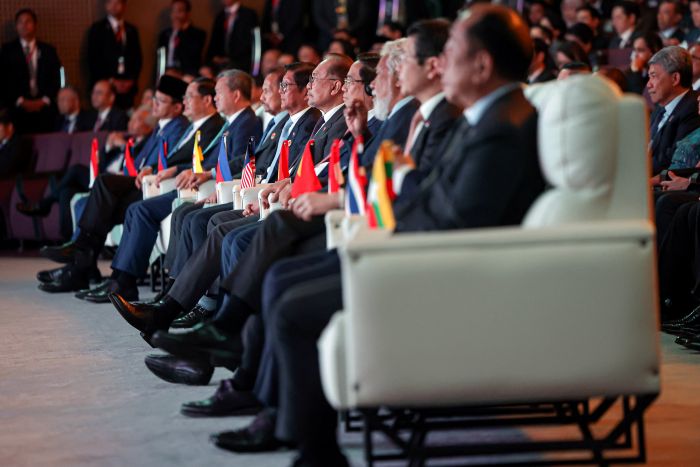
Good global ties, stable politics ensure Malaysia's energy supply: PM
Translated from Malay, summarized and contextualized by DistantNews.
At a glance
News
Named sources
Context piece
- Prime Minister Anwar Ibrahim stated that good international relations and domestic political stability are crucial for ensuring Malaysia's energy supply amid global geopolitical uncertainty and energy crises.
- He highlighted that international conflicts can disrupt energy supplies and increase prices, citing potential impacts on strategic routes like the Strait of Hormuz.
- Malaysia maintains its RON95 fuel price at RM1.99 per liter and is implementing targeted diesel subsidy rationalization, while also strengthening energy cooperation with Russia and Turkmenistan.
Prime Minister Anwar Ibrahim emphasized that Malaysia's energy security hinges on strong diplomatic ties and internal political stability, especially as the world grapples with geopolitical tensions and energy crises. He pointed to international conflicts, such as those in the Middle East, as potential disruptors of global oil and gas supplies, leading to price hikes and shortages.
Anwar noted that some ASEAN nations have already experienced fuel supply disruptions and significant price increases. Despite these global pressures, he affirmed that Malaysia has managed to keep the price of RON95 fuel at RM1.99 per liter. The government is also pursuing a targeted approach to diesel subsidy rationalization to protect vulnerable groups like farmers, fishermen, and public transport operators.
The Prime Minister highlighted recent official visits to Russia and Turkmenistan as part of efforts to bolster strategic cooperation in the energy sector. He mentioned that Russia views Malaysia as a friend, facilitating oil and gas trade, and that Turkmenistan's president expressed readiness for Petronas to explore opportunities in the country's vast gas fields. Anwar attributed Malaysia's success in gaining the confidence of energy-producing nations to its foreign policy of maintaining friendly relations with all countries, including the United States and China.
He further stressed that Malaysia's stable domestic politics, characterized by unity across ethnic and religious lines, is vital for attracting investment and ensuring the nation's progress. This internal cohesion, he argued, prevents the kind of internal strife that can destabilize a country and impact its economic prospects.
DistantNews Editorial
Originally published by Utusan Malaysia in Malay. Translated, summarized, and contextualized by our editorial team with added local perspective. Read our editorial standards.
More Stories


From Our Blog

What Gets Lost (and Found) When News Is Translated

The Critical Role of Diaspora Media in Global News

What Travellers Should Know About Countries with Restricted Press

A Digital Nomad's Guide to Following Local News

How the Same Story Looks Different in Different Countries
