

Google's mosquito project sparks debate in America with plan for 64 million releases
Translated from French, summarized and contextualized by DistantNews.
At a glance
News
Sources not specified
New plan
- Alphabet's life sciences subsidiary plans to release 32 million mosquitoes carrying a natural bacteria in California and Florida over two years.
- The project, aimed at combating diseases like dengue and Zika, seeks federal approval for the release.
- The initiative has sparked debate in the United States.
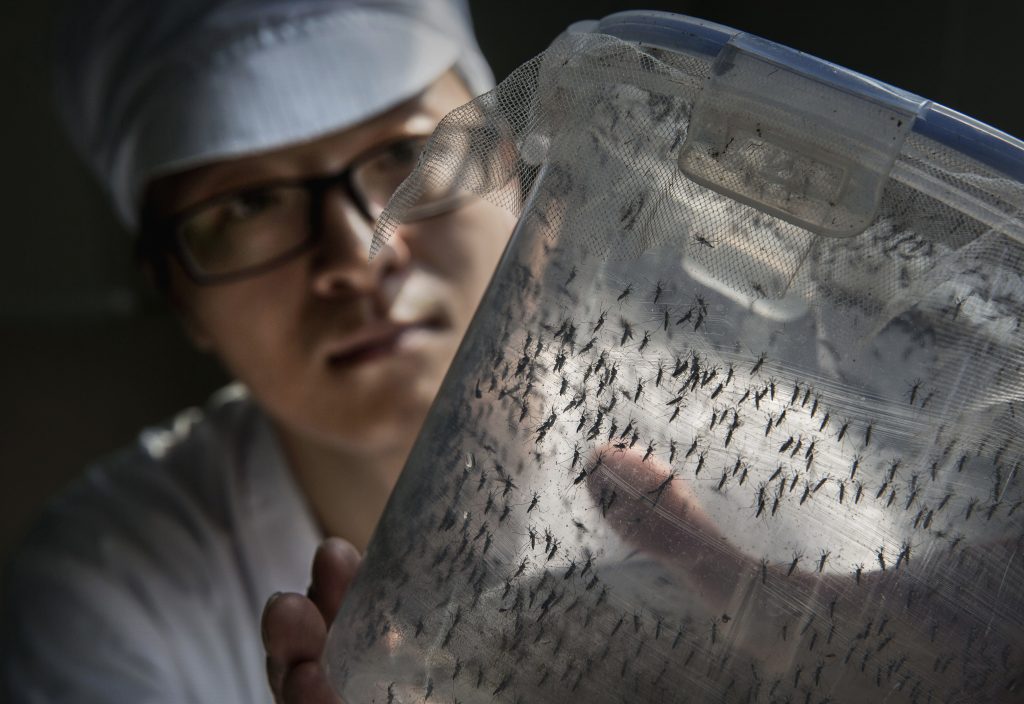
Verily, Alphabet's life sciences division, is seeking federal approval to release 32 million mosquitoes engineered to carry a natural bacteria into the wild in California and Florida over a two-year period. This initiative, totaling 64 million mosquitoes, is presented by its proponents as a public health breakthrough against diseases such as dengue, Zika, and fever.
However, the plan has ignited controversy in the United States. While Verily touts the potential of this method to control mosquito populations that transmit dangerous illnesses, critics raise concerns about the ecological impact and the long-term consequences of introducing genetically modified organisms into the environment.
The project's approval hinges on federal authorization, and the debate highlights the complex ethical and environmental considerations surrounding innovative public health strategies. The outcome will significantly influence future approaches to vector-borne disease control.
DistantNews Editorial
Originally published by El Watan in French. Translated, summarized, and contextualized by our editorial team with added local perspective. Read our editorial standards.
More Stories

From Our Blog

What Gets Lost (and Found) When News Is Translated

The Critical Role of Diaspora Media in Global News

What Travellers Should Know About Countries with Restricted Press

A Digital Nomad's Guide to Following Local News

How the Same Story Looks Different in Different Countries
