

Government's 'Mega-Reform' Risks Accelerating Illegal Projects, Warns Environmental Director
Translated from Spanish, summarized and contextualized by DistantNews.
At a glance
News
Named sources
Context piece
- An environmental director warns that a government
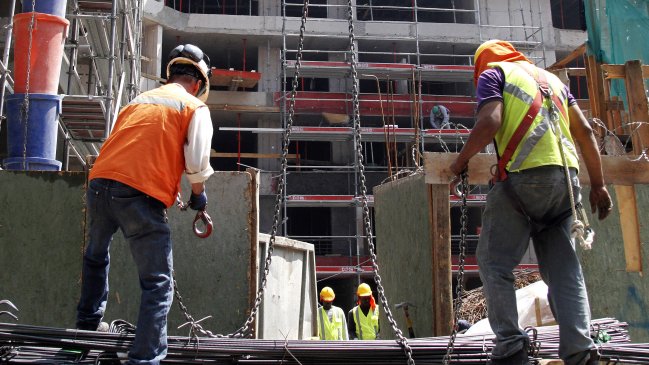
Ezio Costa, executive director of the NGO Fima, has warned that Chile's government "mega-reform" poses significant environmental risks, particularly by accelerating the construction of projects that he deems illegal. Costa, also an academic at the University of Chile, stated that the initiative lacks a vision for adapting to the climate crisis. Instead, he argues, it attempts to speed up project construction, even when those projects are illegal, such as when their Environmental Qualification Resolution is revoked.
behind the government's mega-reform there is a significant risk in environmental matters, especially by promoting the construction of projects that it labels as illegal.
"What was finally approved, and we will see if the Constitutional Court eliminates it or not, is a norm that allows a person who has an illegally approved project to start building immediately, and if their illegal project is stopped in the future, the State will reimburse them with everyone's money for what they have spent," Costa explained. He called this situation "unjust and inadequate."
there is no vision regarding the needs for adaptation to the climate crisis, quite the contrary: there is an attempt to accelerate the construction of projects, and this is the most serious thing of all, even when those projects are illegal
Costa elaborated that a project might be approved without considering the climate variable. Construction could begin while the project is still under review, causing damage from the outset. He believes this indicates the government is not adequately assessing the risks associated with such constructions.
What was finally approved, and we will see if the Constitutional Court eliminates it or not, is a norm that allows a person who has an illegally approved project to start building immediately, and if their illegal project is stopped in the future, the State will reimburse them with everyone's money for what they have spent.
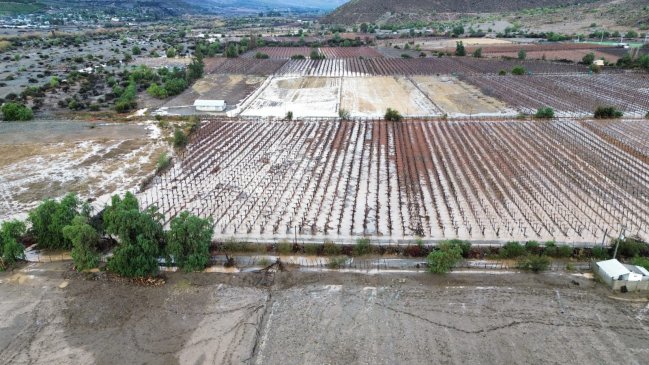
Reflecting on reconstruction efforts in areas affected by recent storms, Costa acknowledged the government's need for political marketing and ideological differences regarding environmental protection. However, he stressed the importance of fundamental principles. "For example, now that reconstruction is set to begin in the Coquimbo Region after the disasters this winter, it cannot be done without looking at the climate crisis, without considering whether those places where there were constructions can have them again or not" under current parameters.
From several points of view, that is a matter that is at least unfair and inadequate.
DistantNews Editorial
Originally published by Cooperativa in Spanish. Translated, summarized, and contextualized by our editorial team with added local perspective. Read our editorial standards.
More Stories

From Our Blog

What Gets Lost (and Found) When News Is Translated

The Critical Role of Diaspora Media in Global News

What Travellers Should Know About Countries with Restricted Press

A Digital Nomad's Guide to Following Local News

How the Same Story Looks Different in Different Countries
