

Government tariffs soar 7.5%, biggest hike since 2017
Translated from Spanish, summarized and contextualized by DistantNews.
At a glance
News
Documents & data
Context piece
- Government-authorized tariffs for public transport, services, and permits rose 7.5% in the first half of August compared to last year.
- This marks the largest increase since late 2017, with public transport fares surging 10% nationally.
- Economists warn that this trend could further accelerate inflation, with forecasts for year-end inflation revised upward.
Government-authorized tariffs for public transport, permits, and services have surged by 7.5% in the first half of August, marking the steepest increase since the latter half of 2017. This nationwide monitoring across 55 cities, conducted by the National Institute of Statistics and Geography (Inegi), reveals a significant jump in costs for essential services.
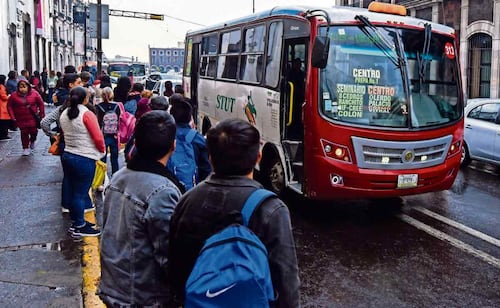
Public transport fares, including those for colectivos, vans, and microbuses, saw a dramatic acceleration of 10%. This increase directly impacts parents and students preparing for the new school year. Other services also experienced notable price hikes: vehicular permits rose by 7%, water supply fees by 6.1%, taxi services by 6%, and highway tolls by 4.3%. The cost of public sector documents increased by 3.7%, while metro and electric transport fares went up by 2.5%.
Economist Gabriela Siller from Banco Base highlighted the 7.5% annual inflation in government-set tariffs as the highest since late 2017. She expressed concern over the upward trajectory of these prices, noting they have remained above 3.5% annually for 27 fortnights. Siller warned that this category, which includes government-regulated rates, is gaining momentum amid renewed upward pressure on international energy prices.
Specialists at Grupo Financiero Ve por Más (Bx+) anticipate that general inflation will continue to accelerate through the remainder of the year. They have revised their year-end inflation forecast to 3.7% from a previous 3.4%. Their expectation for the Bank of Mexico's benchmark interest rate remains at 6.5%. This outlook is influenced by the risk that the U.S. Federal Reserve might maintain its monetary policy at current levels for longer or even increase rates, alongside geopolitical conflicts and their potential impact.
the inflation of this category worries, as it maintains an upward trajectory and accumulates 27 fortnights above 3.5% annually.
DistantNews Editorial
Originally published by El Universal in Spanish. Translated, summarized, and contextualized by our editorial team with added local perspective. Read our editorial standards.
More Stories
From Our Blog

What Press Freedom Means for the News You Read

What Gets Lost (and Found) When News Is Translated

The Critical Role of Diaspora Media in Global News

What Travellers Should Know About Countries with Restricted Press

A Digital Nomad's Guide to Following Local News
