

Government to Fund Part of RM10 Billion E-ART Project in Johor
Translated from Malay, summarized and contextualized by DistantNews.
At a glance
News
Sources not specified
New plan
- The Malaysian government will fund part of the RM10 billion E-ART autonomous rapid transit project in Iskandar Malaysia.
- The project requires government intervention as it is not viable solely through private financing.
- The E-ART system is expected to be completed within four years of receiving the Letter of Acceptance.
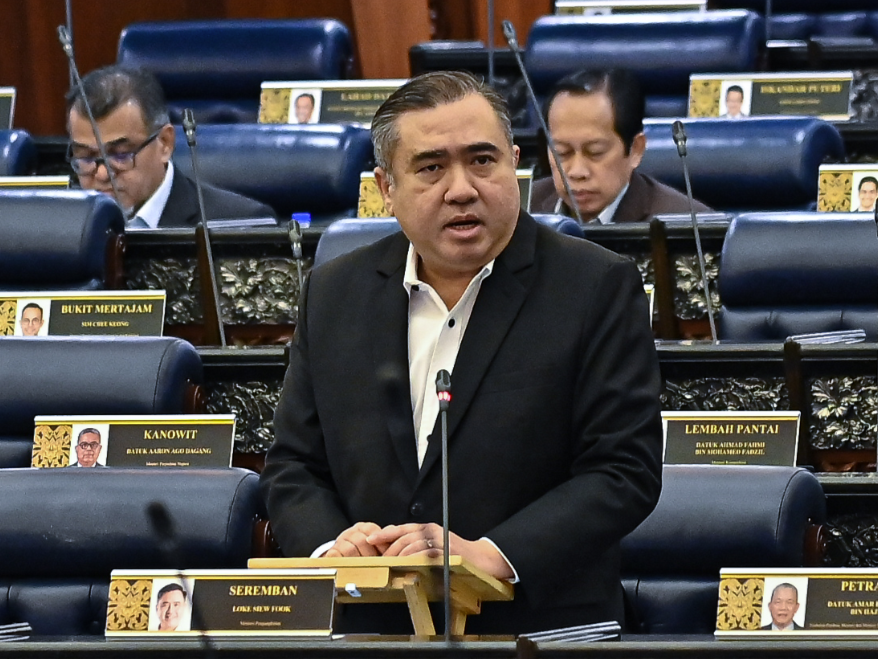
The Malaysian government will provide funding for the RM10 billion Autonomous Rapid Transit (E-ART) project in Iskandar Malaysia, recognizing that the mega-infrastructure project is not financially viable through private funding alone. Transport Minister Anthony Loke announced that while the project was initially intended to be financed by a consortium under a Public-Private Partnership (PPP) model, current assessments indicate government involvement is necessary for its continuation.
The detailed financing methods, actual financial commitments, and repayment mechanisms within the concession period are currently under negotiation and nearing finalization. Any agreed terms will first be presented for consideration and approval by the Cabinet before the Concession Agreement is signed. The E-ART project is anticipated to be completed within four years from the issuance of the Letter of Acceptance.
This intervention addresses a question raised by Datuk Seri Ir. Dr. Wee Ka Siong regarding the project's funding status. The E-ART system is designed to complement the Rapid Transit System (RTS) Link between Johor Bahru and Singapore, aiming to alleviate increased traffic flow resulting from rapid development in the region.
Minister Loke also detailed traffic dispersal plans, including the expansion of the Bus Stop-to-Stop Bus Transformation (SBST) program to 28 routes with 254 buses, 157 of which will serve the JB Sentral/Bukit Chagar route. This phase is expected to begin in early 2027. Additionally, a high-frequency, short-distance bus service, RTS Shuttle, will be introduced to connect JB Sentral/Bukit Chagar with surrounding areas. A Demand Responsive Transit (DRT) service is also planned to provide more dynamic and flexible first-mile and last-mile connectivity from main stations.
DistantNews Editorial
Originally published by Utusan Malaysia in Malay. Translated, summarized, and contextualized by our editorial team with added local perspective. Read our editorial standards.
More Stories


From Our Blog

What Gets Lost (and Found) When News Is Translated

The Critical Role of Diaspora Media in Global News

What Travellers Should Know About Countries with Restricted Press

A Digital Nomad's Guide to Following Local News

How the Same Story Looks Different in Different Countries
