


Government to Inject 1 Trillion Won to Control Prices with Agricultural Discounts and Utility Fee Freezes
Translated from Korean, summarized and contextualized by DistantNews.
At a glance
News
Official statement
New plan
- The South Korean government will inject approximately 1 trillion won to stabilize prices, focusing on agricultural and fishery products.
- Measures include expanding discounts on agricultural and fishery goods, importing mackerel, and considering fuel tax reductions.
- Public utility fees like electricity and gas will be frozen in the second half of the year, with support for transportation and communication costs.
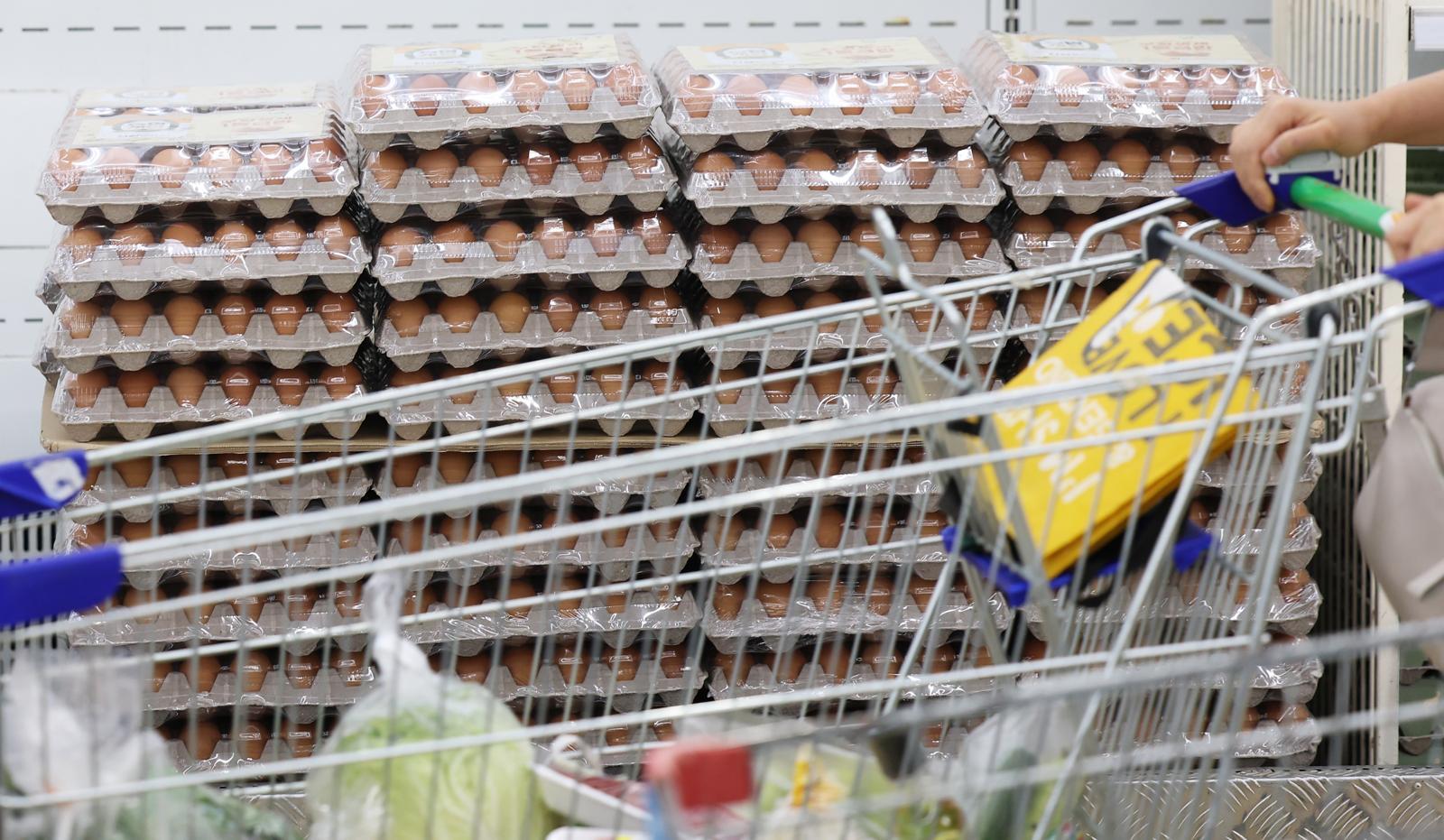
South Korea's government plans to deploy roughly 1 trillion won to combat rising prices and ease the burden on citizens. A key focus will be on expanding discounts for agricultural and fishery products to their largest scale ever. The government will also import 200 million eggs and 2,000 tons of Norwegian mackerel to boost supply.
In response to falling international oil prices, the government will lower the maximum price for petroleum products. It is also reviewing the extension of fuel tax cuts. To further alleviate household expenses, electricity and gas utility fees will be frozen for the latter half of the year. Support measures will also be introduced to reduce costs for transportation, communication, and energy.
Beyond consumer goods and utilities, the government aims to support small businesses and SMEs. It will also strengthen measures against unfair trade practices, including introducing penalties for hoarding and intensifying investigations into collusion. These combined efforts are designed to enhance the effectiveness of price stabilization measures.
The announcement came during a meeting of the Emergency Economic Headquarters, Economic Ministers, and the Special Task Force for Livelihood Price Management. In May, consumer prices rose 3.1% year-on-year, partly due to the impact of the Middle East conflict and soaring oil prices.
DistantNews Editorial
Originally published by Dong-A Ilbo in Korean. Translated, summarized, and contextualized by our editorial team with added local perspective. Read our editorial standards.
More Stories


From Our Blog

What Gets Lost (and Found) When News Is Translated

The Critical Role of Diaspora Media in Global News

What Travellers Should Know About Countries with Restricted Press

A Digital Nomad's Guide to Following Local News

How the Same Story Looks Different in Different Countries
