


Gowon's civil war memoir dismissed as 'convenient amnesia' by PDP chieftain
Translated from English, summarized and contextualized by DistantNews.
At a glance
News
Sources not specified
Context piece
- A Nigerian politician has criticized former Head of State Yakubu Gowon's memoir about the Nigerian Civil War, calling it a collection of
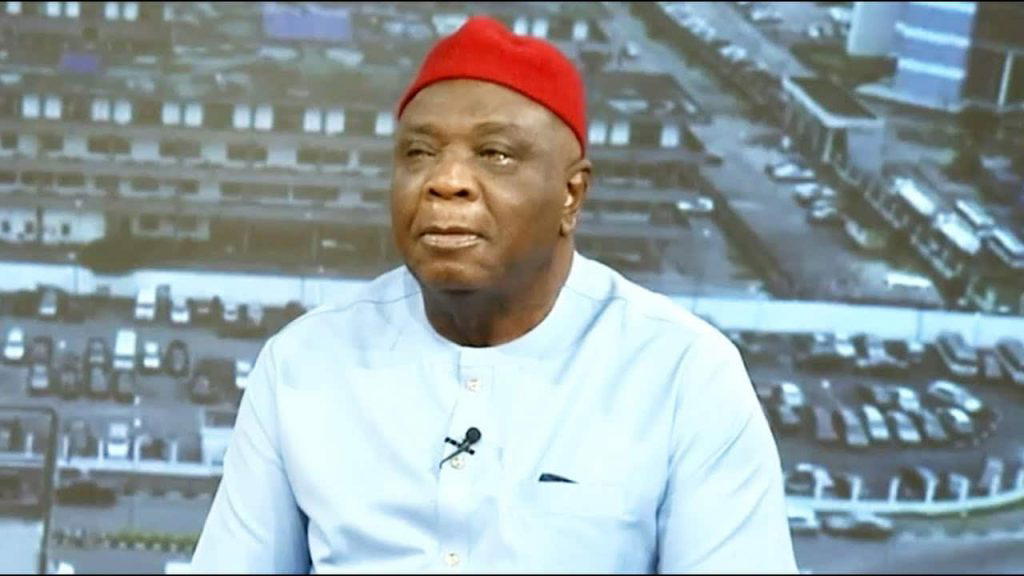
A chieftain of the Peoples Democratic Party (PDP), Dan Ulasi, has sharply criticized former Nigerian Head of State Yakubu Gowon's recently released memoir detailing the Nigerian Civil War. Ulasi dismissed the book as a compilation of "convenient amnesia" and "half truths," arguing it fails to accurately represent the events leading up to and during the conflict.
If you look at what happened in the Aburi Accord, General Gowon signed everything in the Aburi Accord, and only to come back to the uselessness of what he did, probably he didn’t understand what was going on there.
During an appearance on Arise News, Ulasi questioned Gowon's account, particularly referencing the Aburi Accord. He suggested Gowon may not have fully understood the implications of his agreements at the time. Ulasi accused the former military leader of deliberately omitting crucial historical details in his memoir, stating, "You see a lot of convenient amnesia, half truths and releases that were not in accord with what happened in the civil war."
Ulasi also raised concerns about the timing of the memoir's publication. He pointed out that Gowon remained silent while Biafran leader Chukwuemeka Odumegwu Ojukwu was alive and vocal about the war. "Before Ojukwu died, he was making a lot of comments about the Civil War and Gowon never replied him," Ulasi remarked. He suggested that Gowon's current account, published after Ojukwu's death, allows him to present his narrative without immediate challenge, which Ulasi described as "investigative hypnosis."
Look at the book he wrote. You see a lot of convenient amnesia, half truths and releases that were not in accord with what happened in the civil war.
Gowon's memoir reportedly covers the aftermath of the January 1966 coup and the subsequent counter-coup, explaining his rise to Head of State. It also addresses Ojukwu's stance on military succession, with Gowon writing that Ojukwu rejected his leadership and friendship, insisting that Brigadier Babafemi Ogundipe should have succeeded General Johnson Aguiyi-Ironsi based on service seniority, despite the coup's circumstances making Ogundipe unsuitable to lead.
Before Ojukwu died, he was making a lot of comments about the Civil War and Gowon never replied him. But for Gowon to come out now and issue his kind of brand of what I call investigative hypnosis, because he knows now that nobody is going to challenge him in what he has said. It’s unfortunate that we have to resurrect dead matter.
DistantNews Editorial
Originally published by Vanguard in English. Translated, summarized, and contextualized by our editorial team with added local perspective. Read our editorial standards.
More Stories


From Our Blog

How the Same Story Looks Different in Different Countries

What Gets Lost (and Found) When News Is Translated

The Critical Role of Diaspora Media in Global News

What Travellers Should Know About Countries with Restricted Press

A Digital Nomad's Guide to Following Local News
