

Grassroots unity in Perikatan Nasional remains stable despite leadership differences
Translated from Malay, summarized and contextualized by DistantNews.
At a glance
News
Named sources
Context piece
- Despite differing central leadership stances, grassroots cooperation within Malaysia's Perikatan Nasional coalition remains stable.
- Local leaders emphasize unity among Malay communities to ensure political stability and prevent future uncertainty.
- The Senggarang state constituency serves as an example of successful grassroots collaboration, with party supporters working together without conflict.
Despite differing stances at the central leadership level, grassroots cooperation within Malaysia's Perikatan Nasional (PN) coalition remains stable, according to local leaders. The primary focus is on strengthening Malay unity and political stability, avoiding any divisions.
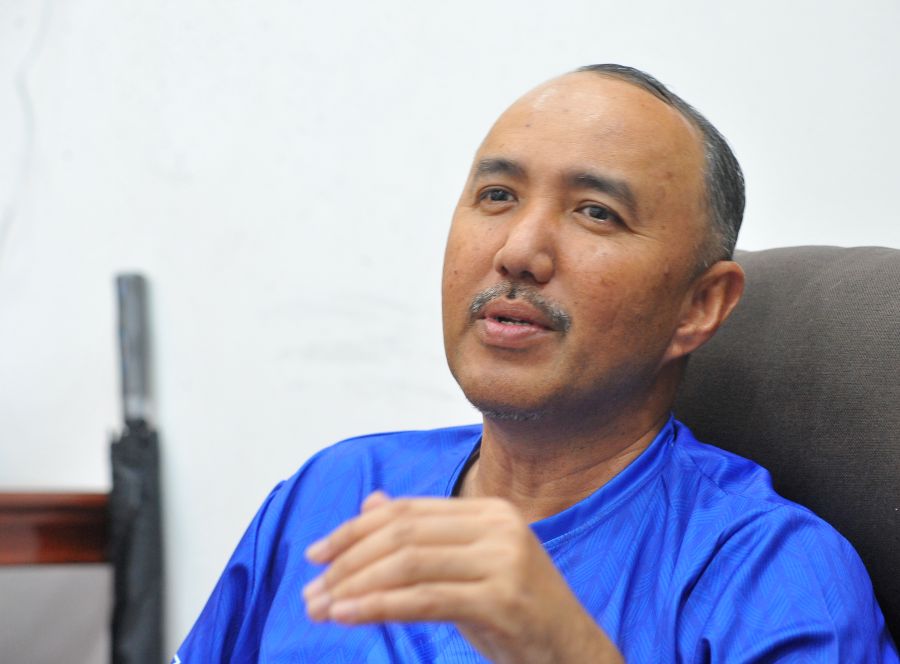
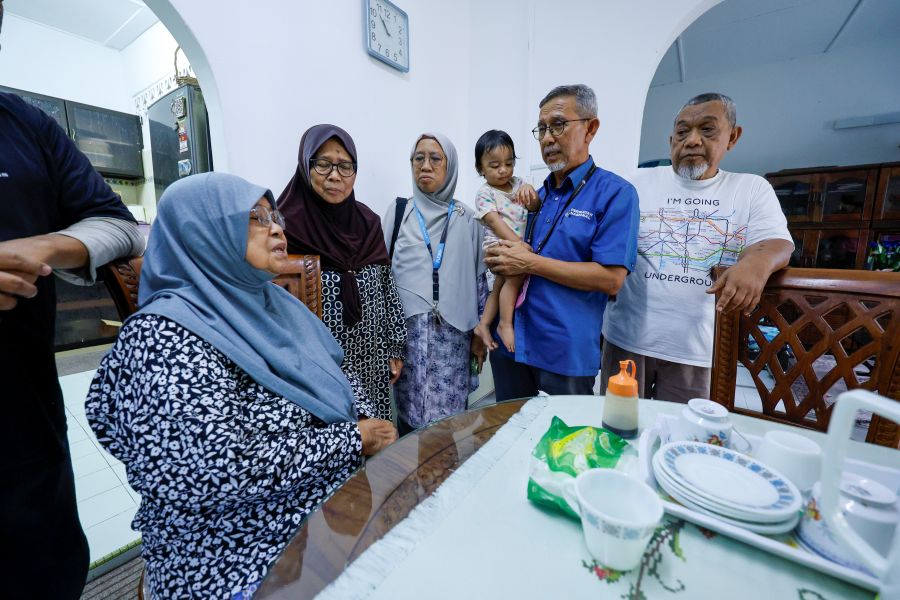
Datuk Mohd. Rashid Hasnon, the PN candidate for the Senggarang State Legislative Assembly, stated that divisions among Malay communities could impact national stability and lead to greater political uncertainty. He noted that even with different parties, relationships at the village and community levels are still strong due to frequent communication and collaboration on various matters.
This sentiment contrasts with Pas President Tan Sri Abdul Hadi Awang's earlier announcement that Pas had canceled its political cooperation with Bersatu, with each party's machinery operating separately. Hasnon highlighted Senggarang as a model of good grassroots cooperation, where all party supporters continue to work together harmoniously.
He expressed hope that this strong grassroots relationship would be maintained and not disrupted by any issues that could affect local community unity.
DistantNews Editorial
Originally published by Utusan Malaysia in Malay. Translated, summarized, and contextualized by our editorial team with added local perspective. Read our editorial standards.
More Stories
From Our Blog

What Gets Lost (and Found) When News Is Translated

The Critical Role of Diaspora Media in Global News

What Travellers Should Know About Countries with Restricted Press

A Digital Nomad's Guide to Following Local News

How the Same Story Looks Different in Different Countries
