


Greece Battles 45 Fires in 24 Hours Amid High Fire Risk Forecast
Translated from Greek, summarized and contextualized by DistantNews.
At a glance
News
Sources not specified
Ongoing story
- Greece's Fire Service responded to 45 rural and forest fires within a 24-hour period, straining emergency resources.
- Significant fires occurred in Aliveri (Evia), Vasilika and Perea (Thessaloniki), Ypato (Viotia), Psakoudia (Halkidiki), and Knossos (Crete).
- A very high fire risk is forecast for Wednesday in several regions, prompting authorities to urge public caution and preparedness.
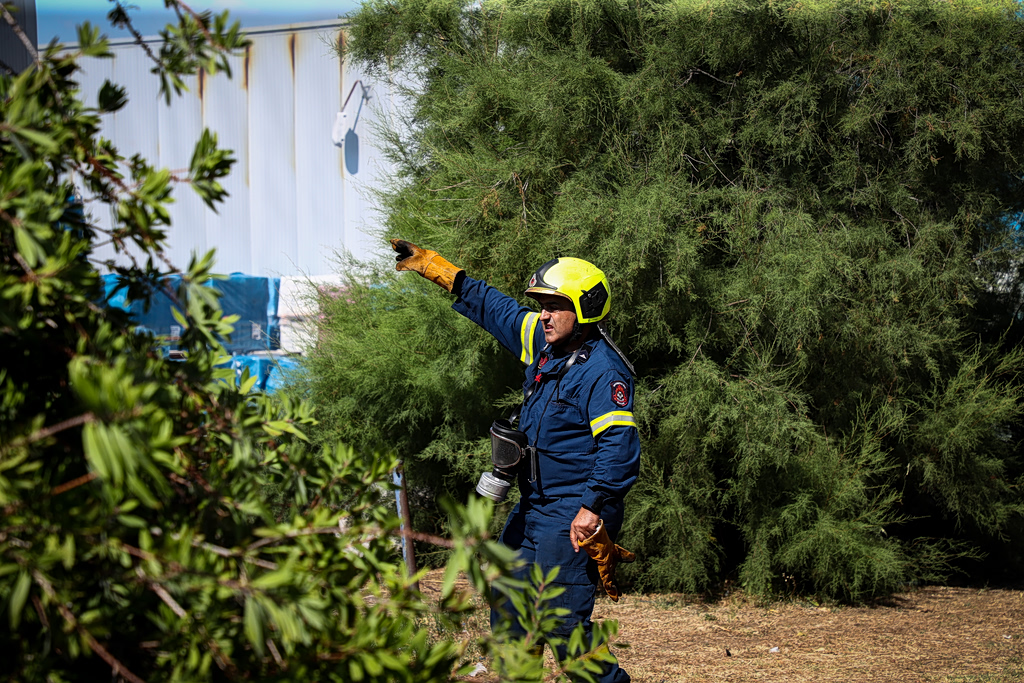
Greece's Fire Service battled 45 rural and forest fires across the country in a single 24-hour period, testing the operational readiness of emergency crews. The widespread blazes necessitated the immediate deployment of substantial ground and air forces. Among the most serious incidents was a fire in Aliveri, Evia, where 80 firefighters, ground units, 12 aircraft, and a surveillance drone were deployed. Two warning messages were issued via the 112 emergency number, but the fire has since been contained with no active front. Significant mobilization also occurred in Vasilika and Perea in Thessaloniki, Ypato in Viotia, Psakoudia in Halkidiki, and Knossos in Crete, where visitors were evacuated from the archaeological site as a precaution. Fires in Oenofyta (Viotia), Messinia, and Rodopi were also addressed promptly, limiting their spread. Authorities have issued a "Red Code" for areas facing a very high fire risk on Wednesday, July 15, 2026, including the regional units of Chios, Samos, Ikaria, Kalymnos, Kos, and the entire region of Crete. The Ministry of Climate Crisis and Civil Protection has placed the state mechanism on high alert, urging citizens to exercise extreme caution. The public is asked to avoid any activity that could accidentally start a fire, particularly concerning sparks from machinery, outdoor barbecues, beekeeping, and the disposal of cigarettes. The burning of fields and crop residues remains prohibited throughout the fire season, as recent experiences show even small ignitions can escalate under adverse weather conditions. Prevention is emphasized as the most effective means of protection.
DistantNews Editorial
Originally published by Ta Nea in Greek. Translated, summarized, and contextualized by our editorial team with added local perspective. Read our editorial standards.
More Stories
From Our Blog

What Gets Lost (and Found) When News Is Translated

The Critical Role of Diaspora Media in Global News

What Travellers Should Know About Countries with Restricted Press

A Digital Nomad's Guide to Following Local News

How the Same Story Looks Different in Different Countries
