

Greece braces for fuel price surge as subsidies end
Translated from Greek, summarized and contextualized by DistantNews.
At a glance
News
Named sources
Context piece
- Fuel prices in Greece are expected to rise significantly starting September 1, as government subsidies expire.
- The average price for unleaded gasoline is currently 2.015 euros per liter, and diesel is 2.020 euros.
- The Federation of Hellenic Petrol Station Owners warns that without extended state support, gasoline could reach 2.20 euros and diesel 2.25 euros per liter.
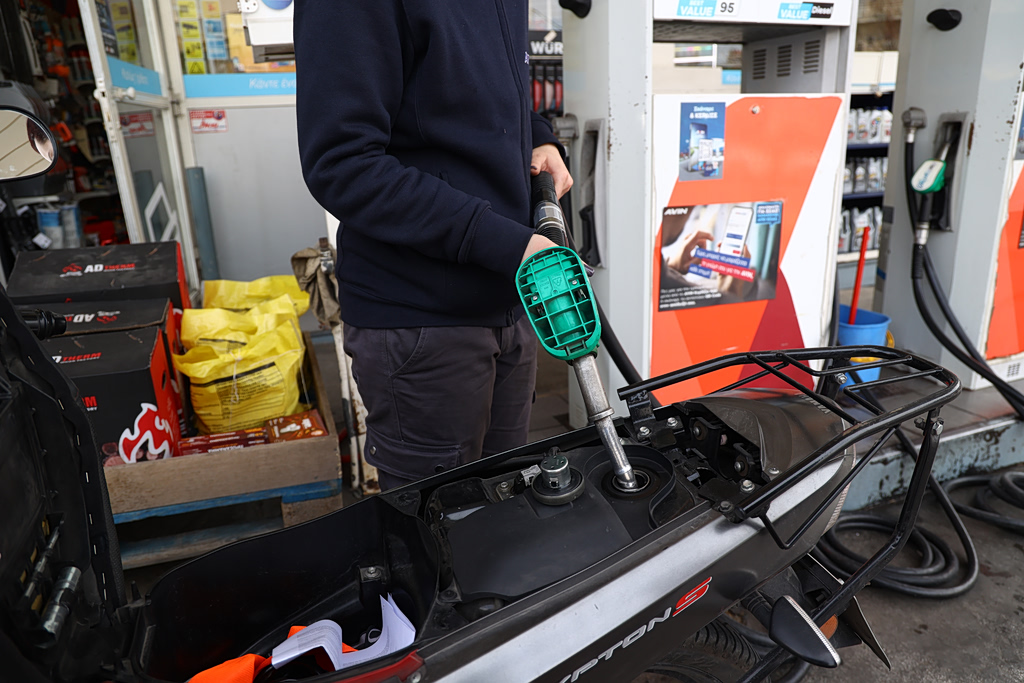
Fuel prices in Greece are poised for a sharp increase as crucial government subsidies are set to expire at the end of August. Michalis Kiousis, president of the Federation of Hellenic Petrol Station Owners, warned that without renewed or enhanced state support, consumers will face significantly higher costs starting September 1.
Recent price hikes from refineries have already added to the cost at the pump. While refinery increases for diesel have been 11-12 cents and for gasoline 6-7 cents over the past week, only about 3 cents for diesel and 5 cents for gasoline have been passed on to consumers so far. Kiousis explained that it typically takes seven to eight working days for refinery price changes to fully reflect at the consumer level.
If something doesn't change, if the subsidy from the state is not extended and strengthened, on September 1st we will have 2.20 for gasoline and 2.25 for diesel.
The current support measures include a 10-cent subsidy for gasoline from Greek refineries, a 5-cent subsidy for diesel from refineries, and an additional 10-cent subsidy for diesel from the government. If these are not extended or increased, Kiousis forecasts gasoline prices could jump to 2.20 euros per liter and diesel to 2.25 euros per liter.
The cost of transportation affects the entire chain of production and distribution of products.
Beyond passenger vehicles, the potential rise in diesel prices also raises concerns for the broader economy. "The cost of transportation affects the entire chain of production and distribution of products," Kiousis noted, highlighting the ripple effect on businesses and consumers alike. The federation president urged the government to urgently reassess its price reduction measures with only nine days remaining before the August deadline.
An additional concern is the upcoming heating oil season. With current market prices, heating oil, set to become available on October 15, would cost approximately 1.83-1.84 euros per liter. This is a stark contrast to last year's opening price of around 1.07 euros per liter, meaning 1,000 liters could cost 1,830 euros this year compared to 1,070 euros last year. Kiousis expressed hope that international prices might decrease before the season begins.
May on October 15th it has definitively ended, a solution has been found, oil has plummeted.
DistantNews Editorial
Originally published by Ta Nea in Greek. Translated, summarized, and contextualized by our editorial team with added local perspective. Read our editorial standards.
More Stories



From Our Blog

What Gets Lost (and Found) When News Is Translated

The Critical Role of Diaspora Media in Global News

What Travellers Should Know About Countries with Restricted Press

A Digital Nomad's Guide to Following Local News

How the Same Story Looks Different in Different Countries
