


Greece launches initiative for mountainous regions' future
Translated from Greek, summarized and contextualized by DistantNews.
At a glance
News
Sources not specified
Context piece
- Greece launched a new initiative called "Dialogues for Mountainous Areas" to foster cooperation for the future of its mountainous regions.
- The government's "Region 2030" strategy aims for equitable development across Greece, emphasizing the importance of regional growth for national sustainability.
- The initiative includes systematic evaluation mechanisms and aims to integrate government planning with local needs through active consultation with communities.
Greece is launching "Dialogues for Mountainous Areas," a new initiative to foster cooperation and dialogue for the future of its mountainous regions. The first event took place in Dimitsana, bringing together local government, business, and civil society representatives from across the Peloponnese.
Today, our effort is focused on building Greece's future in the regions, not from the regions.
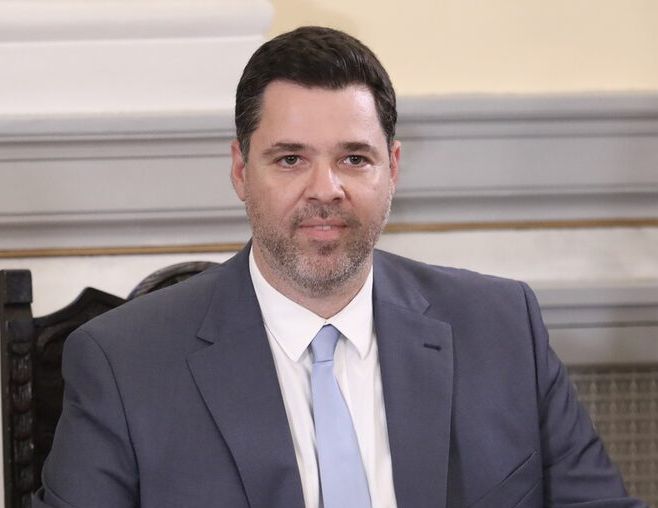
The initiative is spearheaded by the newly established Special Secretariat for Mountainous Areas of the Presidency of the Government. During the event, Deputy Minister to the Prime Minister, Thanasis Kontogeorgis, presented the "Region 2030" National Strategy for Regional & Local Development. He stressed the government's vision for an Greece with equal opportunities for all citizens, regardless of where they live.
The development of the region is not just a political choice, but an absolute prerequisite for the sustainability of our country, for deeply national and social reasons.
Kontogeorgis highlighted the profound historical and national value of the Greek periphery, stating that post-war Greece was built by its rural areas and the passion of its people. "Today, our effort is focused on building Greece's future in the regions, not from the regions," he declared. The strategic goal is to ensure development benefits are distributed fairly and equitably across the country, emphasizing that regional development is crucial for national sustainability for deep national and social reasons.
For the first time, a unified development plan is introduced that organically integrates government planning, the priorities of local government, and the specific local narrative of each region, thus ensuring broader social acceptance.
The strategy incorporates systematic evaluation mechanisms to measure the effectiveness of measures and resources, addressing a past deficiency. It also emphasizes cohesion policies and active participation in European budget discussions. Kontogeorgis explained that this is the first unified development plan integrating government planning, local government priorities, and regional narratives to ensure broad social acceptance. He stressed that resources are not inexhaustible, making precise allocation crucial. This planning requires live consultation with local communities, not just decisions made in Athens, to co-create proposals with those who live and work in each area, utilizing both European funds and the National Development Program.
Resources are not inexhaustible and that is why it is more important to know exactly what you will do with them, than the amount of the budget allocation itself.
DistantNews Editorial
Originally published by Ta Nea in Greek. Translated, summarized, and contextualized by our editorial team with added local perspective. Read our editorial standards.
More Stories



From Our Blog

What Gets Lost (and Found) When News Is Translated

The Critical Role of Diaspora Media in Global News

What Travellers Should Know About Countries with Restricted Press

A Digital Nomad's Guide to Following Local News

How the Same Story Looks Different in Different Countries
