

Greece's 'Bubble Beach' offers unique volcanic sea experience for tourists
Translated from Romanian, summarized and contextualized by DistantNews.
At a glance
News
Sources not specified
Context piece
- Paradise Beach on the Greek island of Kos offers a unique experience where the sea appears to boil with thousands of bubbles.
- This phenomenon is caused by volcanic gases, primarily carbon dioxide, rising from the seabed due to the island's volcanic origins.
- The "Bubble Beach" is a popular tourist attraction, known for its shallow, clear waters and amenities, despite the lack of hot water.
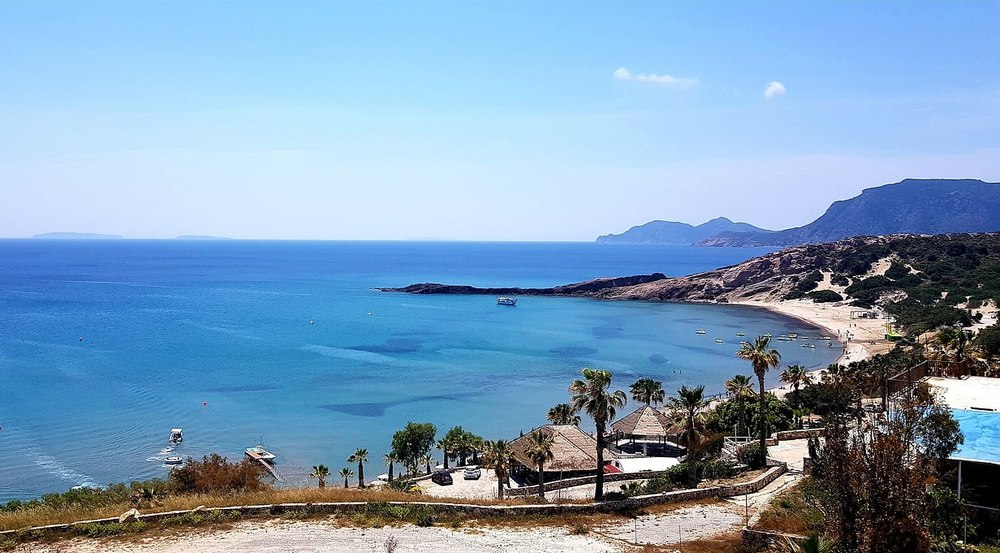
A popular beach on the Greek island of Kos is captivating tourists with an unusual spectacle: the sea appears to boil in certain areas, allowing visitors to swim amidst thousands of bubbles. Known as "Bubble Beach," Paradise Beach in the Kefalos Bay area offers a geological marvel.
The phenomenon stems from volcanic gases, mainly carbon dioxide, escaping from the seabed. Kos, part of the Aegean Volcanic Arc, has a volcanic past, and this geothermal activity is linked to the nearby Nisyros volcano. While the water in the bubbly zones isn't hot, the seabed can feel slightly warm, and unlike other geothermal areas, the gases here lack a noticeable odor.
Clearly marked with buoys, the bubbly spots create a natural "jacuzzi" effect, making it a unique attraction. Paradise Beach is also favored by families for its fine golden sand, clear turquoise waters that remain shallow for a considerable distance, and amenities like sunbeds, umbrellas, bars, and restaurants. The island's volcanic nature means similar geothermal phenomena can be found elsewhere on Kos.
DistantNews Editorial
Originally published by Adevărul in Romanian. Translated, summarized, and contextualized by our editorial team with added local perspective. Read our editorial standards.
More Stories

From Our Blog

What Gets Lost (and Found) When News Is Translated

The Critical Role of Diaspora Media in Global News

What Travellers Should Know About Countries with Restricted Press

A Digital Nomad's Guide to Following Local News

How the Same Story Looks Different in Different Countries
