


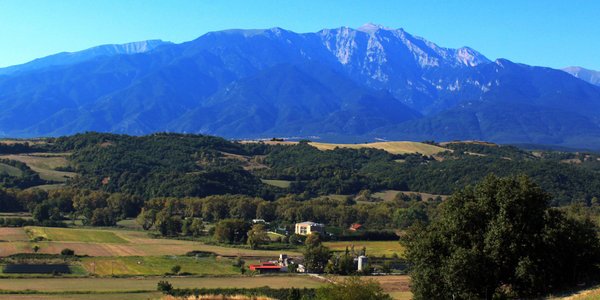
Greek Mount Olympus added to UNESCO World Heritage list
Translated from Polish, summarized and contextualized by DistantNews.
At a glance
News
Named sources
Approved/passed
- Mount Olympus, the highest mountain in Greece and mythical home of the gods, has been inscribed on the UNESCO World Heritage list.
- The decision was made unanimously by the World Heritage Committee during its 48th session in Busan, South Korea.
- The inscription recognizes Olympus's unique significance for both nature and civilization, making it Greece's 21st World Heritage site.
Mount Olympus, Greece's highest peak and the legendary abode of the gods, has officially been inscribed on the UNESCO World Heritage list. The unanimous decision by the World Heritage Committee during its 48th session in Busan, South Korea, marks a significant national achievement for Greece.
This inscription makes Olympus the 21st Greek site to receive World Heritage status and the third mixed site, combining both cultural and natural values, alongside Meteora and Mount Athos. UNESCO's mixed category recognizes places of unique importance to both the natural world and human civilization, highlighting Olympus's dual significance.
The mountain, located in Central Macedonia with its highest peak, Mytikas, reaching 2,917 meters, is a vital area of biodiversity. Its unique microclimate, influenced by its proximity to the sea and significant altitude variations, fosters diverse ecosystems. Olympus was first protected as Greece's national park in 1938 and now hosts nearly 2,000 plant types, representing over a quarter of the country's flora, including many endemic species.
Beyond its natural importance, Olympus holds a profound place in Greek and European culture. Ancient Greek tradition identifies it as the home of the 12 Olympian gods, including Zeus, as well as the muses and graces. Through the works of Homer and Hesiod, it remains a powerful symbol of Greek civilization.
Greek Minister of Environment and Energy Stavros Papastavrou emphasized that protecting nature and biodiversity is a state priority, with over 10 million euros allocated for projects focused on environmental conservation, improving accessibility without harming natural values, and supporting sustainable regional development. Prime Minister Kyriakos Mitsotakis hailed the inscription as a "major national achievement" that reinforces Greece's commitment to heritage preservation and opens new development prospects for the region.
DistantNews Editorial
Originally published by Rzeczpospolita in Polish. Translated, summarized, and contextualized by our editorial team with added local perspective. Read our editorial standards.
More Stories



From Our Blog

What Gets Lost (and Found) When News Is Translated

The Critical Role of Diaspora Media in Global News

What Travellers Should Know About Countries with Restricted Press

A Digital Nomad's Guide to Following Local News

How the Same Story Looks Different in Different Countries
