

Greek rescuers leave Venezuela amid infectious disease fears
Translated from Greek, summarized and contextualized by DistantNews.
At a glance
News
Sources not specified
Outcome reported
- Greek rescue workers are returning from Venezuela due to fears of infectious diseases following a devastating earthquake.
- The earthquake, with magnitudes of 7.2 and 7.5, has killed nearly 3,000 people and injured over 16,000, with thousands left homeless.
- Lack of clean water and damaged sanitation infrastructure are raising concerns about cholera and typhoid outbreaks, forcing international teams to leave.
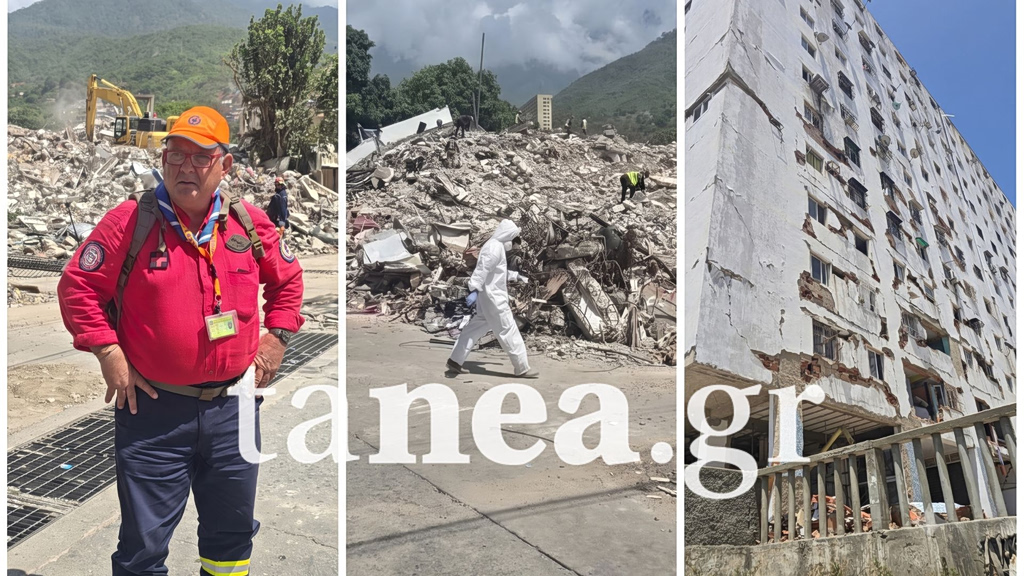
Greek rescue workers from the Special Missions Unit (EPOMEA) are hastily returning to Greece from Venezuela, citing fears of infectious diseases. The team had traveled to provide aid after a catastrophic double earthquake on June 24th, which registered magnitudes of 7.2 and 7.5.
The same applies to sanitation, which has been destroyed and access to toilets is limited and in some areas non-existent.
The devastating tremors have claimed nearly 3,000 lives and injured over 16,000. The United Nations estimates that up to 50,000 people may be missing, though the government has not released an official figure. At least 856 homes were severely damaged or destroyed, leaving over 16,000 people without shelter.
As the window for finding survivors closes, rescue operations are winding down. However, international teams are compelled to depart urgently due to the severe damage to infrastructure. The lack of clean water in affected areas poses a significant risk of disease outbreaks, including cholera and typhoid. Susana Arroyo, a representative for the International Federation of Red Cross and Red Crescent Societies in Caracas, noted that bottled water is the only option for basic hygiene and cooking in the hardest-hit state of La Guaira, where sanitation systems are also destroyed.
Thus they were forced to travel from Athens to London, from there to Bogota and from the capital of Colombia by road to Caracas.
The EPOMEA team faced significant logistical challenges to reach Venezuela, including a canceled flight from Istanbul. They eventually traveled from Athens to London, then to Bogota, and finally overland to Caracas. Miltos Benakis, president of EPOMEA, stated before their departure that the mission was self-funded, receiving no state financial assistance.
The mission is organized and implemented with own resources, without any state financial assistance.
DistantNews Editorial
Originally published by Ta Nea in Greek. Translated, summarized, and contextualized by our editorial team with added local perspective. Read our editorial standards.
More Stories
From Our Blog

What Gets Lost (and Found) When News Is Translated

The Critical Role of Diaspora Media in Global News

What Travellers Should Know About Countries with Restricted Press

A Digital Nomad's Guide to Following Local News

How the Same Story Looks Different in Different Countries
