


Greek tourism threatened by climate change; extreme weather disrupts market
Translated from Polish, summarized and contextualized by DistantNews.
At a glance
News
Sources not specified
Context piece
- Greece's vital tourism sector faces significant threats from climate change, which also contributes to the problem through industry emissions.
- Extreme weather events and heatwaves are deterring tourists, potentially shifting preferences from southern Europe to northern destinations.
- The Bank of Greece urges a transition to low-impact infrastructure, sustainable tourism practices like ecotourism, and management of overtourism, citing Santorini as an example.
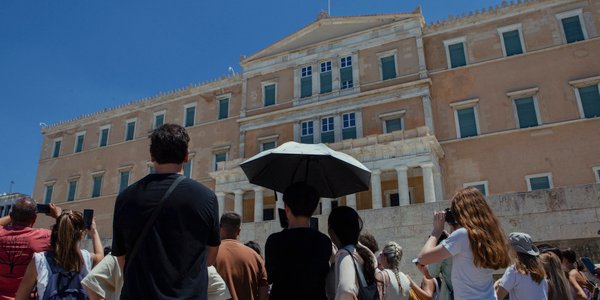
Greece's tourism industry, a cornerstone of its economy contributing about 13% of GDP, is increasingly vulnerable to climate change, according to the Bank of Greece. While foreign tourist arrivals surged by nearly a third in early 2024 compared to the previous year, reaching 5.24 million by April, the long-term outlook is concerning.
Analysis from the Bank of Greece indicates that escalating heatwaves and extreme weather events are directly impacting tourist decisions. Travelers are not only canceling trips during peak summer months but are also seeking less popular destinations. Experts predict a potential shift in summer travel patterns, with tourists favoring northern European locations over southern ones like Greece.
The report stresses the urgent need for systemic changes within the industry. Recommendations include adopting low-environmental-impact infrastructure and services, improving resource management, and promoting more sustainable forms of tourism, such as hiking and ecotourism. The analysis also highlights the detrimental effects of "overtourism," where excessive tourist concentration strains local communities, the environment, and the visitor experience.
Santorini, a popular Greek island with a permanent population of around 15,500, exemplifies the challenges of overtourism. In 2023, it hosted over 3 million visitors, many spending only a few hours, contributing to environmental strain without significant local economic benefit. The island's mayor has introduced a cruise passenger tax to fund sustainable tourism projects and upgrade port and waste management facilities. The Bank of Greece emphasizes that national tourism policy must integrate climate risk assessments to ensure the sector's resilience.
DistantNews Editorial
Originally published by Rzeczpospolita in Polish. Translated, summarized, and contextualized by our editorial team with added local perspective. Read our editorial standards.
More Stories



From Our Blog

What Gets Lost (and Found) When News Is Translated

The Critical Role of Diaspora Media in Global News

What Travellers Should Know About Countries with Restricted Press

A Digital Nomad's Guide to Following Local News

How the Same Story Looks Different in Different Countries
