


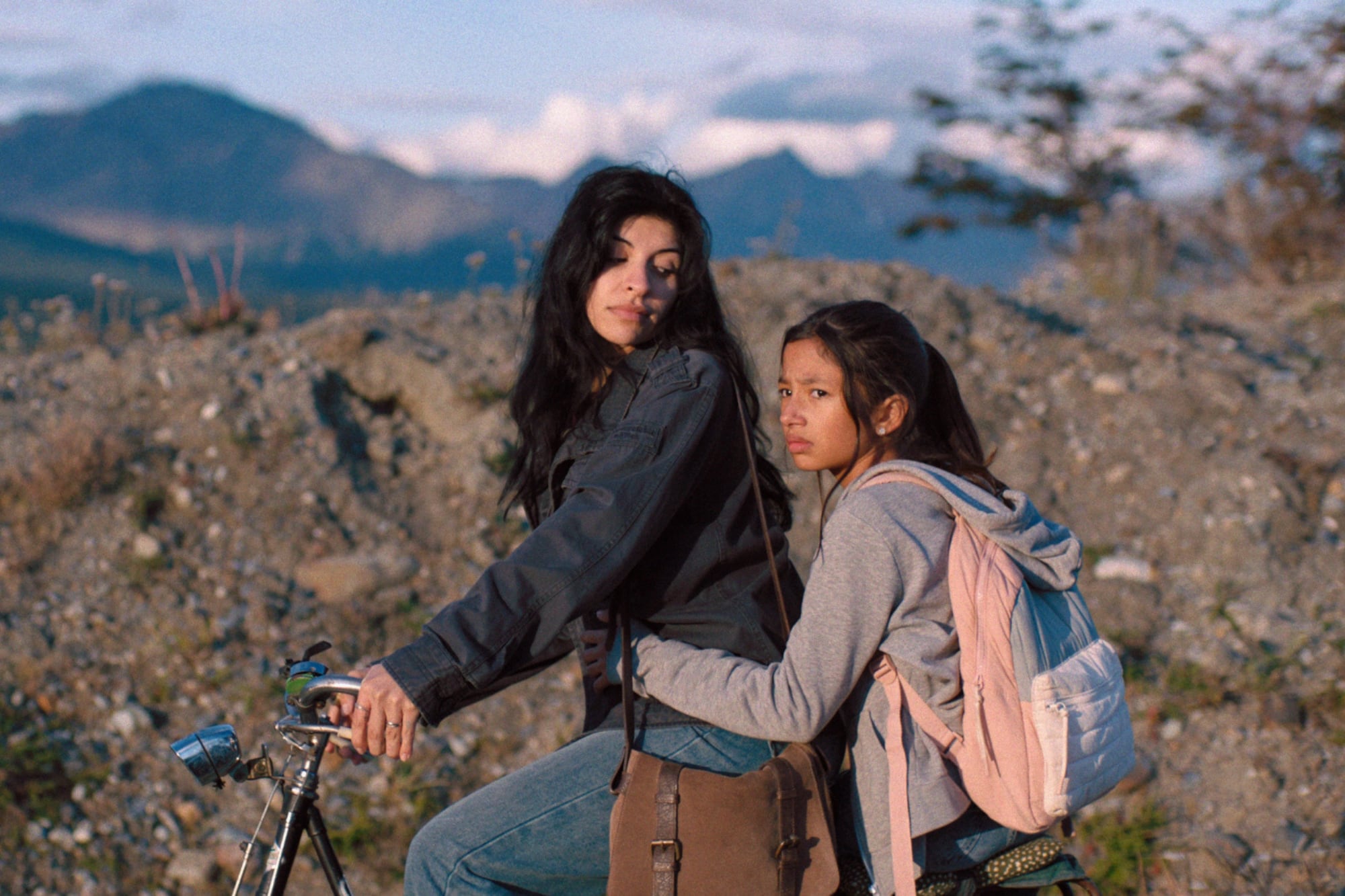
Grief and Second Chances: An Emotional Journey in "Risa y la cabina del viento"
Translated from Spanish, summarized and contextualized by DistantNews.
TLDR
- "Risa y la cabina del viento" is an Argentine film inspired by the true story of a "wind telephone" in Japan.
- The film explores themes of grief and second chances through the story of a young girl in Ushuaia seeking connection with her absent father.
- Director Juan Cabral uses the Patagonian landscape and subtle humor to enrich a narrative that balances the fantastical with the real.
Juan Cabral's "Risa y la cabina del viento" emerges as a poignant exploration of loss and the enduring human need for connection, drawing inspiration from a unique Japanese phenomenon. The film's premise, centered around a "wind telephone"—a disconnected phone booth used to communicate with departed loved ones—is adapted to an Argentine setting, offering a fresh perspective on universal themes of grief and healing.
The narrative focuses on Risa, a young girl in Ushuaia grappling with the absence of her father. Her journey is intertwined with that of Esteban, a reclusive neighbor, creating a dynamic that is both tender and melancholic. Director Cabral masterfully navigates the delicate balance between the real and the fantastical, allowing the supernatural elements to enhance, rather than overshadow, the emotional core of the story. The stark beauty of the Patagonian landscape serves as more than just a backdrop; it becomes an integral part of the film's atmosphere, mirroring the characters' internal states and the profound sense of isolation and longing.
What makes "Risa y la cabina del viento" particularly compelling from an Argentine viewpoint is its sensitive portrayal of emotional resilience and the search for solace. Unlike Western narratives that might lean towards more explicit explanations or dramatic resolutions, this film embraces ambiguity and subtlety. It trusts the audience to connect with the characters' emotional journeys, offering a quiet, introspective experience. The inclusion of elements like a charming hamster and the evocative soundtrack featuring Babasónicos further enriches the film's unique identity, making it a distinctive piece of Argentine cinema that speaks to the heart.
DistantNews Editorial
Originally published by La Nación in Spanish. Translated, summarized, and contextualized by our editorial team with added local perspective. Read our editorial standards.
More Stories



From Our Blog

What Gets Lost (and Found) When News Is Translated

The Critical Role of Diaspora Media in Global News

What Travellers Should Know About Countries with Restricted Press

A Digital Nomad's Guide to Following Local News

How the Same Story Looks Different in Different Countries
